A contaminated site is not an unsellable site. It is a property that needs a different kind of buyer, one who prices environmental conditions instead of running from them.
The short answer: Yes, you can sell a contaminated property. Former factories, plating shops, fuel sites, rail yards and other environmentally challenged properties change hands regularly. They just rarely sell to the buyers a conventional listing reaches. Banks often will not lend against an open environmental condition, so the buyer pool is made up of groups that understand contamination: environmental acquisition companies, industrial redevelopers, users whose plans fit an industrial cleanup standard, and public or energy-focused buyers. Carson Jones works with buyers in these groups, including a company that evaluates environmentally challenged commercial and industrial properties and structures acquisitions designed to help reduce the seller's environmental risk exposure. Results depend on each site's facts, reports and regulatory status; these transactions reduce exposure, they do not eliminate it.
1. Can a Contaminated Property Be Sold?
Yes. What changes is who buys it and how the deal is built. A clean industrial building sells on location, size and price. A contaminated one sells on what is known about the contamination, what it would cost to address for the next use, and who carries which obligations after closing.
Most owners of these sites hear the same thing from the market: lenders will not finance it, ordinary buyers ask for a Phase II and then disappear, and the only offers left are fear-priced. That is a buyer-pool problem more than a property problem. The same parcel that scares off a first-time industrial buyer can be a reasonable acquisition for a group that does this work every year, has environmental consultants and counsel on call, and knows how state cleanup programs and pollution insurance fit together.
What "contaminated" covers here. Soil or groundwater impacted by petroleum, solvents, metals or other chemicals; former underground storage tanks; old landfill or fill material; sites with vapor intrusion concerns; properties with recorded land use restrictions; and sites with an open file at a state environmental agency or EPA.
2. Who Buys Contaminated and Environmentally Challenged Sites?
Buyers for these sites fall into a handful of groups. Matching the site to the right group is most of the work.
| Buyer type | What they look for | Typical sites |
|---|---|---|
| Environmental acquisition companies | Sites where they can define the contamination, plan a path to regulatory closure and manage the obligations as part of the acquisition | Former manufacturing, plating, chemical and fuel sites; sites with an open state file |
| Industrial redevelopers | Location, infrastructure and a cleanup standard that fits industrial reuse | Obsolete plants on good roads, rail-served land, large flat parcels near labor |
| Industrial owner-users and outdoor storage operators | Paved or cappable land where the use works under a cap and deed restriction | Truck parking, equipment yards, contractor yards, laydown land |
| Energy and power users | Existing substations, transmission, gas and water that would be hard to recreate | Former mills and plants with heavy power; solar on closed landfills; data center land |
| Municipalities, land banks and economic development groups | Blighted sites they can assess and clean up with EPA or state grant money | Abandoned downtown and riverfront industrial sites, tax-delinquent parcels |
Carson's role is to put the site in front of the right group with its environmental story organized, and to negotiate a structure that fits the owner's goals. Because he works as a principal with equity and capital partners as well as a broker, some sites are evaluated for direct acquisition alongside those partners rather than only marketed.
For the general mechanics of how environmental risk is allocated in a commercial deal, see the companion environmental risk transfer guide. For buy-side due diligence, see the industrial buyer's guide to brownfields.
3. What Buyers of Contaminated Sites Will Ask For
Specialized buyers move faster, and offer more, when the file is organized before they see it. Gather what you can:
- Site history: past owners, operations, chemicals used, years of operation
- Every environmental report: Phase I and Phase II reports, sampling data, consultant letters, even old or incomplete ones
- Agency correspondence: state or EPA file numbers, notices, orders, approved work plans, No Further Action or closure letters
- Tank records: registrations, removal or closure reports, release reports, tank fund correspondence
- Remediation records: what was removed, capped or treated, and any ongoing monitoring
- Title and survey: recorded environmental covenants, activity and use limitations, environmental liens
- Current condition: occupancy, vacant buildings, drums or stored materials, security issues
- Infrastructure: power capacity, substations, gas, water and sewer, rail, road access
- Insurance: current and historical policies, including older general liability policies that may respond to past releases
Do not clean up the paperwork. Buyers need the bad reports as much as the good ones. A file that is complete, including the findings you wish were not there, is worth more than a selective one, and it protects you on disclosure.
4. How a Contaminated Property Sale Usually Works
- Confidential conversation. A first call about the site, its history and what the owner wants: a full exit, the fastest exit, the highest price, or the most protection.
- Document review. The buyer or its consultant reviews the existing reports and agency file. Many sites can be screened without any new testing.
- Site visit and data gaps. A walk-through and a list of what is still unknown.
- Indicative terms. A preliminary price and structure, often with ranges that depend on what testing shows.
- Diligence under an access agreement. Any Phase II happens here, with the owner's environmental counsel involved in how results are shared and reported.
- Structure. Price, escrow or holdback, pollution insurance, entry into a state voluntary cleanup program, and a clear contractual split of which obligations the buyer takes on and which stay with the seller.
- Closing and handoff. Transfer of the property, the reports and the regulatory relationship.
Timelines vary widely. A site with a closure letter and clean records can close on a normal commercial schedule; a site with an active groundwater plume and no data will take longer.
Own a Site With Environmental Issues?
Text Carson a short description of the property, its past use and any reports you have. Conversations are confidential.
5. How Contamination Affects Price
Contamination lowers price through cleanup cost, lost financing and stigma, and the largest discount comes from not knowing. As a site moves from suspected to measured to managed, the discount usually narrows.
| Stage | What the buyer knows | Effect on price |
|---|---|---|
| Suspected | A history or database flag, no data | Deepest discount; buyers price the worst case |
| Tested | Phase II data and a cleanup estimate | Discount tied to the estimate plus contingency |
| In a state program | An approved path to closure and liability protection | Narrower discount; some lenders re-engage |
| Closed | A closure letter with recorded use limits | Smallest discount, mostly stigma and use restrictions |
A specialized buyer will usually build a price this way: value of the site as if clean, minus the cleanup estimate, minus a contingency, minus the carrying cost of the time to closure, minus a discount for resale risk. Knowing that formula lets an owner see where an offer comes from and which inputs can be improved before selling.
6. Three Owner Scenarios
The examples below are illustrative, with round numbers, to show how the math works. Every site's figures will differ.
The Former Machine Shop With Solvent in the Soil
A 4-acre former machine shop would be worth about $1.2 million clean. A buyer's Phase II found chlorinated solvent in shallow soil. The consultant estimates $180,000 to clean up to an industrial standard plus $45,000 of groundwater monitoring, $225,000 total. The original buyer's lender declined, and the only remaining cash offer was $550,000.
A specialized buyer priced it from the numbers instead: $1.2 million clean value, minus $225,000 cleanup, minus a 25% contingency ($56,000), minus $60,000 of carrying cost to closure, minus a 10% resale discount ($120,000), which lands near $740,000. The buyer planned to enroll the site in the state voluntary cleanup program, and the contract defined which obligations moved to the buyer.
The Corner Lot With Three Old Fuel Tanks
A 0.8-acre former gas station would be worth about $650,000 clean. Three tanks were still in the ground and a release was likely. As-is offers came in around $380,000. The owner instead had the tanks removed and the release reported, and applied to the state petroleum tank fund. Assume removal and cleanup run $140,000 and the fund reimburses eligible costs above a deductible, leaving the owner about $35,000 out of pocket for the deductible and ineligible items. (Fund rules and deductibles vary by state.)
With the tanks out, a closure path in place and the paperwork in the file, the site sold for $560,000.
The Inherited Plating Site
A family inherited a 12-acre former plating facility worth about $900,000 clean. Testing showed heavy metals and possible PFAS, with a cleanup estimate between $600,000 and $1.4 million. At the midpoint, the land is worth less than the cleanup. Holding it was costing about $30,000 a year in taxes, insurance and security, with buildings deteriorating and trespassers on site.
A sale to an environmental acquisition buyer for a nominal price, with the buyer enrolling the site in the state program and taking on defined cleanup and site management obligations under the contract, ended the carrying costs and reduced the family's exposure. It did not erase every possible claim: past owners can remain potentially responsible under federal law, which is why the family's environmental attorney reviewed the allocation, insurance and indemnity terms before signing.
7. Eight Mistakes Owners of Contaminated Sites Make
- Listing it like a clean property. A standard listing reaches buyers whose lenders will not close. Months pass, the listing goes stale, and the eventual buyer uses the time on market against you.
- Refusing any testing. Avoiding a Phase II does not make contamination go away; it leaves it unpriced, and unpriced risk is discounted hardest.
- Not disclosing what you know. As-is language generally does not protect concealment, and undisclosed conditions are a leading source of post-closing lawsuits.
- Letting a buyer test without a plan. Agree in writing how results are shared and handled, and talk to environmental counsel first, because some states impose reporting duties once results are known.
- Accepting a fear-priced offer without numbers. Without data, you cannot tell whether an offer reflects the real cost or just the buyer's worst case.
- Assuming a sale ends all liability. A well-structured sale can reduce exposure significantly, but prior owners can remain potentially responsible. Allocation, insurance and indemnities matter.
- Ignoring state programs and tank funds. Voluntary cleanup programs, petroleum tank funds and brownfield incentives exist to make these sites move. Many owners never apply.
- Letting the site deteriorate. Leaking drums, broken buildings and trespassers can make conditions worse and add new obligations. Basic security and housekeeping protect value.
8. 62 Questions Owners Ask About Contaminated Property
These are the environmental questions owners, heirs and sellers ask most, grouped by topic.
Finding Out What Is in the Ground
How does an owner find out whether a site, or the land next to it, is contaminated?
Start with what the property used to be. State environmental agency databases, EPA's Envirofacts and Cleanups in My Community maps, historical aerial photos and old fire insurance maps will show tanks, spills and cleanup files on or near the parcel. Those records tell you where to look, not what is in the soil. Only sampling answers that. When a sale is coming, a Phase I pulls those sources into one report that buyers and lenders will accept.
What does a Phase I Environmental Site Assessment actually cover?
A Phase I is a records-and-observation study of a property's past and present uses, done to the ASTM E1527-21 standard. The consultant reviews historical aerials, fire insurance maps, city directories and regulatory databases, walks the site and interviews owners and occupants. Nothing is drilled or sampled. The report lists recognized environmental conditions (RECs), meaning evidence that contamination is likely, and says whether more testing is warranted.
What happens during a Phase II environmental assessment?
A Phase II tests the specific concerns the Phase I raised. Depending on the issue, that means soil borings, temporary groundwater wells, soil-gas or sub-slab vapor samples, and sometimes sediment or building-material samples. A certified lab analyzes them and the results are compared with state screening levels for the property's intended use. A good Phase II is targeted at the old tank, floor drain or process area rather than a random grid, and its results are the numbers a buyer prices.
What should an owner check for before putting a site on the market?
Five things: the site's own history (manufacturing, tanks, dry cleaning, auto repair), contaminated sites nearby that could migrate through groundwater, vapor intrusion risk, the water source, and natural hazards such as flood zone and radon. Contamination next door affects resale and insurance even when your parcel tested clean. On commercial property, a Phase I covers most of this list.
A database search flagged my land as potentially contaminated. What does that mean?
It means a record shows a past use on or near the site that could have caused contamination, such as a factory, a tank, a landfill or a spill report. It is a screening result, not a finding. Find out exactly what triggered the flag, then decide whether a consultant's desktop review or sampling is justified. Many flags resolve with a letter; some need testing. Either way, get a professional opinion in writing quickly so a buyer or lender is not left guessing for months.
The site next door is contaminated but already has businesses on it. Does that mean my land is fine?
Not necessarily. Existing businesses show the neighboring site was usable for those uses, often because contamination was capped under buildings or pavement. That says nothing about whether groundwater or vapor is moving toward your parcel, or whether a more sensitive use would be allowed. Ask for the neighbor's regulatory file: whether it has a closure letter, what land use restrictions apply, and which way groundwater flows.
My Phase I flagged a use from 80 years ago. Is the property unsellable?
No. Historic flags are very common and most prove manageable. A REC tied to a decades-old use means the consultant cannot rule contamination out, not that the soil is ruined. A targeted Phase II usually either clears it or puts a number on it. Small historic releases often sit below commercial cleanup thresholds or can be handled with a cap or deed restriction. What matters is how the finding affects the next owner's use, lender and exit.
Is an environmental site assessment the same thing as an environmental impact study?
No. A site assessment (Phase I and Phase II) asks whether the property is already contaminated and what that means for liability and value. An environmental impact study, such as a NEPA review, asks what a proposed project will do to the surrounding environment. Property sales run on the site assessment; public and federally funded projects run on impact studies.
Environmental Reports and Testing
Does every commercial property need a Phase I, even one that looks low-risk?
Treat it as standard. A Phase I usually costs a few thousand dollars, small against the price, and it is the only way a buyer qualifies for the federal innocent landowner and bona fide prospective purchaser defenses. A clean-looking office or retail site can turn out to have a former dry cleaner or auto shop in its history. Owner-users need one as much as investors, because liability follows ownership.
What is the real downside of skipping the environmental report?
The fee you save is not the issue. Without a compliant Phase I completed before closing, a buyer permanently gives up the legal defenses it provides, and no later report can restore them. The property also becomes harder to finance and harder to resell, because the next buyer's lender will order one anyway.
Does the law require a Phase I or Phase II?
No statute forces a private buyer to order one, but the market does. Banks, SBA lenders, CMBS and agency programs require environmental review on most commercial loans, and federal law ties a buyer's liability defenses to completing all appropriate inquiries, which the Phase I satisfies. A Phase II is triggered only when a Phase I finds a recognized environmental condition and someone needs data.
How much does a Phase I cost, and how long does it take?
For a typical commercial property, roughly $2,000 to $6,500, with large industrial sites, multiple parcels and rush jobs costing more. Most take two to four weeks. A Phase II is priced by scope: a few borings may run under $10,000, while multi-media work on a large industrial site can reach well into five figures. Contract timelines should leave room for a Phase II if one is recommended.
When should an owner bring in an environmental consultant?
Earlier than most do. If the property has an obvious industrial past, tanks or a known regulatory file, a short records review before listing tells you what buyers will find and lets you price it. On the buy side, order the Phase I as soon as you are under contract. At exit, an updated Phase I or closure letter in the data room makes a contaminated site far easier to sell.
What due diligence should I expect a buyer to run on an industrial site?
On industrial property, environmental review leads. Expect a Phase I and a real chance of a Phase II given fuel storage, solvents, floor drains and outdoor storage. Alongside it come title and survey (easements, access, rail), zoning and permitted use, utility capacity, flood status, and any environmental permits or state files.
Can a buyer use a Phase I that someone else already paid for?
Usually not as-is. A Phase I is prepared for a named user, and a buyer's defenses and its lender's reliance depend on being named. Parts of the report must also be updated within 180 days of acquisition, and it is generally not usable after a year. The common fix is a reliance letter from the consultant plus an update, which is cheaper and faster than a new report. Owners who commission a seller-side Phase I should ask the consultant up front about issuing reliance letters to buyers.
Whose name goes on the Phase I, and what should I ask the consultant?
Put it in the name of the entity taking title and list the lender as a relying party. Ask which ASTM standard is used (it should be E1527-21), whether PFAS and vapor intrusion are evaluated, how RECs differ from the de minimis conditions listed, and what a Phase II would cost if recommended. Read the historical sources yourself; the aerials and city directories often tell the story faster than the summary.
The Phase I recommends a Phase II. Should the deal continue?
Do the Phase II, inside the due diligence period, and extend that period in writing if needed. A recommended Phase II that gets skipped becomes the next buyer's discount and the lender's refusal. Clean results let everyone close with confidence. If something is found, the numbers become the basis for a price change, seller cleanup, an escrow, insurance or a state program. Walking away makes sense only when the cost or timing cannot be measured.
I was quoted $38,000 for soil testing. Is that normal?
It can be. A limited Phase II with a few borings and standard lab work is often under $10,000. Cost rises with the number and depth of borings, groundwater wells, vapor sampling, specialty analysis such as PFAS or dioxins, and rush turnaround. A quote near $40,000 points to a multi-media investigation on a larger or higher-risk site. Get the scope in writing, ask what question each sample answers, and get a second bid.
The environmental report missed asbestos. Who is responsible?
Check the scope first. A standard Phase I excludes asbestos, lead paint, mold and radon unless they were ordered as add-ons, so a report that never looked for asbestos did not necessarily fail. If the item was in scope and missed, the consultant's contract governs, and most cap liability at the fee. Specify the extra items you care about up front, especially on older buildings.
Liability, Disclosure and Ownership
Can I be held responsible for contamination someone else caused?
Yes. Under CERCLA and most state equivalents, current owners can be liable for cleanup regardless of who caused the contamination or when. Buyers protect themselves by qualifying for a defense before closing (innocent landowner, bona fide prospective purchaser or contiguous property owner) through a Phase I, then meeting ongoing obligations such as taking reasonable steps to stop releases and following land use restrictions. Prior owners can remain potentially responsible even after they sell, which is why a sale reduces exposure rather than ending it.
If the company that polluted the site is gone, who pays to clean it up?
The law looks for potentially responsible parties: owners and operators at the time of disposal, those who arranged disposal, transporters and current owners. If the original polluter is bankrupt or dissolved, the burden can fall on whoever owns the site now unless they have a defense. Public funds sometimes step in where no viable party exists, but that is slow and not a plan.
Do I have to tell buyers about contamination or an underground tank?
In most states a seller who knows of a material environmental condition must disclose it, and hiding one invites fraud claims. As-is language generally does not protect active concealment. For a known tank, the better approach is to disclose it and deal with it before listing: close or remove it properly, test the soil and get the regulatory paperwork. Undisclosed tanks are among the most common post-closing disputes.
I found contamination or a leaking tank after I bought the property. What now?
Act quickly and in order. Stop any active release, report it if your state requires, and preserve the disclosures, inspection reports and purchase contract. Then talk to an environmental attorney about claims against the seller, cost recovery from the parties who caused it, and whether any insurance, including older policies held by prior owners, might respond. Many states also run petroleum tank funds that reimburse part of the cleanup for eligible tanks.
Can the government or a cleanup contractor put a lien on contaminated property?
Yes. EPA and many states can record environmental liens for cleanup costs they paid, and those liens can follow the property to the next owner. Unpaid remediation contractors may have mechanic's lien rights. Title work on a contaminated site should search specifically for environmental liens and activity and use limitations, and liens should be cleared or paid from proceeds at closing.
I inherited land that turns out to be contaminated. Is it a liability now?
It can be. An heir takes title like any other owner and may take on cleanup exposure with it, although CERCLA gives some protection to people who inherit without knowing about contamination. Before accepting or selling, get the facts: a Phase I, any state cleanup file, and a rough comparison of cleanup cost against land value. Options include selling to a buyer that specializes in impaired sites, enrolling in a state voluntary program, or in some cases disclaiming the inheritance with an attorney's help.
The seller's disclosures mention buried battery waste. Is that a deal breaker?
Not automatically. Treat it as a price and scope question. Ask for prior reports, agency letters and remediation records, and have a consultant say whether the material was removed, capped or left in place and what that means for the intended use. Then negotiate seller cleanup, a price tied to a cleanup estimate, or an escrow. Lead and other heavy metals do not break down, so the question is always where they are and whether they are contained.
Should my broker raise environmental issues with me?
Yes, early and in writing. A broker is not the environmental professional, but should flag high-risk past uses, recommend a Phase I and make sure the due diligence period fits a Phase II. On a listing, putting known reports and closure letters in front of buyers early gets the issue priced instead of killing the deal late.
Questions About a Specific Site?
Every contaminated property is different. Text Carson the address and what you know about its history, and he will tell you which buyers are likely to look at it.
Lenders, Contracts and Selling
How much does contamination change what a commercial property sells for?
A great deal, mostly because it controls financing. A property with an open REC can lose most of its buyers at once: lenders will not close, and the cash buyers who remain price the uncertainty heavily. Once the problem is tested, capped, insured or closed out by the state, the discount usually narrows. The aim is to turn an unknown liability into a known, priced cost.
Why does one bank want Phase I and II testing while another wants none?
Each lender sets its own environmental policy by loan size, property type and risk appetite. Some use a database screen for small loans; others require a full Phase I on everything. SBA loans follow SBA's environmental policy, which escalates for higher-risk uses. If one lender skips testing, the property did not get safer. The owner carries the liability either way.
How do lenders read an environmental report?
Bank reviewers check the Phase I for RECs and for compliance with the ASTM standard and the bank's policy, then decide whether the risk is acceptable, needs a Phase II, or needs structure such as an escrow, a closure letter, a pollution policy or a smaller loan. They care about collateral value and whether a cleanup could stall a foreclosure. Using a consultant on the bank's approved list and naming the bank as a relying party speeds approval.
How do buyers and sellers divide environmental risk in a purchase contract?
The usual tools are a price reduction based on a cleanup estimate, seller cleanup before closing, an escrow or holdback released when the state issues a closure letter, a seller indemnity (only as good as the seller's balance sheet), and a pollution legal liability policy naming both sides. Many sellers prefer to fund a policy rather than sign an open-ended indemnity. Buyers should make sure any indemnity survives closing and is backed by money.
My buyer's lender will not close because of groundwater contamination. Can the sale be saved?
Often, but it needs a regulatory answer, not just a price cut. Get the plume data and a cost estimate, notify the state program if required, and pursue a path to closure: monitoring, a risk-based closure with land use restrictions, or remediation. An escrow sized to the estimate, seller-funded pollution insurance or a short extension while the state reviews the file can keep the deal alive. Petroleum releases may qualify for a state tank fund.
I am selling an industrial site and the buyer wants a Phase II or a big price cut. What should I do?
Find out what triggered the request, then decide deliberately. Buyers usually pay for their own Phase II. Before agreeing to anything, talk to an environmental attorney, because in some states knowing the results can create reporting duties for the owner even if the buyer walks. Options include letting the buyer test at its cost with shared results, offering a pollution policy instead of a price cut, or holding firm if the concern is remote. A seller-side Phase I before listing heads off most of this.
What should a commercial lease say about environmental liability?
It should draw a line in time. A baseline assessment at lease start documents existing conditions; the tenant answers for contamination it causes during the term; the landlord keeps what was already there. Look for use restrictions, hazardous materials compliance, inspection access and an indemnity that survives the lease. Owners of sites with known contamination should make sure the baseline is documented before any tenant moves in.
Cleanup Methods and Costs
How is contaminated soil cleaned up?
There are three broad approaches: excavation and disposal at a permitted landfill; in-place treatment such as soil vapor extraction, chemical oxidation or bioremediation; and containment, where soil stays under a cap of pavement, a building or clean fill with a deed restriction. The choice depends on the contaminant, its depth, whether groundwater is affected and the future use. Most commercial redevelopments combine targeted removal with a cap.
How is soil contaminated by petroleum or fuel remediated?
Small, shallow spills are usually dug out and disposed of. Larger releases, especially from leaking tanks, may use soil vapor extraction, air sparging or enhanced bioremediation, since petroleum breaks down with oxygen and time. Groundwater impacts add monitoring wells and sometimes pump-and-treat. Use a licensed contractor and report as required, because improper cleanup can spread the problem and void tank fund eligibility.
How are heavy metals dealt with so land can be reused?
Lead, arsenic and chromium do not degrade, so the options are removal, stabilization or separation. Excavation is the most certain. Stabilization binds metals so they cannot leach. A clean cap separates people from them. Using plants to pull metals out works only slowly and at low levels. Residential and agricultural reuse usually requires removal; industrial and commercial reuse often accepts a cap.
How is contaminated groundwater treated, and what does it cost?
Options range from monitored natural attenuation, sampling wells for several years while contamination breaks down, to active treatment such as pump-and-treat, injections or permeable reactive barriers. Monitoring alone might cost tens of thousands over its life; active work on a large plume can reach six or seven figures. Risk-based closure, where the state accepts restrictions such as no drinking-water wells, is often what makes the number manageable.
Is leaving contamination in place under a cap as good as removing it?
It is a legitimate and common approach, but it manages the risk over time rather than removing it. A cap of slabs, pavement or clean fill cuts off exposure at a fraction of excavation cost, which is why most brownfield cleanups use one. In exchange, land use restrictions must be recorded and followed, the cap must be maintained, and future digging needs a soil management plan.
Superfund Sites and Vapor Intrusion
How does a nearby Superfund site affect property values?
Proximity usually carries a discount, largest when a site is newly listed or the cleanup is uncertain, and it narrows as remediation progresses and the site is removed from the National Priorities List. Distance, the contaminant pathway and whether a property sits inside a mapped plume all matter. Commercial and industrial buyers tend to discount less than homebuyers, and completed cleanups tend to lift nearby values.
How far from a Superfund site is far enough?
Distance alone does not answer it; the pathway does. A groundwater plume can run a mile or more in one direction and not at all in another, while soil contamination usually stays on site. Check EPA's site page for the plume map, the direction of groundwater flow, whether the area is on municipal water, and any vapor intrusion work nearby.
Should I buy inside a Superfund boundary or beside a former Superfund site?
Inside a boundary, you need parcel-level facts: whether your parcel was sampled, whether it was remediated and whether it carries restrictions. Many sites issue documentation property by property, so get it. Beside a former site that has been cleaned up and deleted, the risk is mostly resale perception. In both cases review EPA's records, check for recorded restrictions and expect a slower resale.
Who can confirm that a former Superfund site was really cleaned up?
An environmental consultant with remediation experience, ideally one who knows your state's program. They review EPA's decision documents, five-year reviews and closure reports, confirm what cleanup standard was used and for which land use, and check for deed restrictions or groundwater limits. A document review typically runs a few thousand dollars; confirmation sampling adds more.
What is a vapor mitigation system, and is a building that has one safe?
A vapor intrusion mitigation system keeps chemical vapors from soil or groundwater out of a building, usually with a sub-slab membrane and a fan that vents vapor above the roof. Designed, maintained and confirmed by indoor air testing, these systems are effective and widely used on redeveloped sites. Ask what contaminant it addresses, what post-installation testing showed, who monitors it and whether a state agency oversees it.
Who maintains a vapor mitigation system, and what does it cost?
Responsibility is usually set out in an environmental covenant recorded against the property and passed to each owner or association. Ongoing costs are fan electricity, periodic inspections and air sampling, and eventual fan replacement: modest each year, but permanent. Ask for the operation and maintenance plan and the monitoring schedule.
Will a vapor mitigation system hurt resale value?
It can narrow the buyer pool, mostly through perception, but good records offset much of that. A system with a recorded covenant, clean post-installation testing, a maintenance plan and a state closure letter reads as a managed condition; one without records reads as an unknown. On commercial property, buyers and lenders accept these systems routinely.
Questions About a Specific Site?
Every contaminated property is different. Text Carson the address and what you know about its history, and he will tell you which buyers are likely to look at it.
Brownfields, Reuse and Nearby Uses
Is it safe to live or work on land that was cleaned up?
Generally yes, when the cleanup was done under state oversight to a standard that matches the use. Residential standards are stricter than commercial or industrial ones, so confirm the site was cleaned up for the use in question. Ask for the closure letter, any land use restrictions and the confirmation sampling results. A remediated site has been studied and documented; the ordinary lot next door may never have been tested.
Why would a brownfield buyer be asked to sign a waiver, and does it hurt resale?
Waivers usually confirm that the buyer received the environmental disclosures and accepts recorded restrictions, such as no groundwater wells or no digging below a cap without a plan. They document the use limits. Resale is affected mostly by awareness, since the next buyer gets the same disclosures. Expect a narrower buyer pool, not an unsellable property.
A new building discloses past soil remediation or a removed tank. What should I look at?
Ask for the remediation report, the state closure letter, any environmental covenant, and whether a vapor mitigation system is in place and who maintains it. Confirm the cleanup standard matches the use. A removed tank with clean confirmation samples and a closure letter is routine; one without paperwork deserves questions.
Does sitting in or beside an industrial zone hurt a property's value?
It can, through nearby operations (noise, truck traffic, emissions, contamination risk) and through zoning that may allow more intensive uses next door later. Check the zoning map, the environmental history of neighboring parcels and whether lenders or insurers treat the property differently. Some owners find the land is worth more for commercial or industrial use than its current one.
What is a brownfield, and how does it differ from a greenfield?
A brownfield is previously developed property whose reuse is complicated by the presence, or possible presence, of contamination: old factories, rail yards, tank sites, dumps. A greenfield has never been developed. Green belt is a planning designation for protected land around cities. In real estate, brownfield almost always signals environmental history.
Can brownfield sites actually be redeveloped profitably?
Many can, and some cannot at market pricing without help. They carry extra costs for investigation, cleanup, soil disposal, vapor controls and often demolition, plus more schedule risk. They usually win on location: existing roads, utilities, rail and labor. Viability depends on buying at a discount that covers cleanup, using state liability protection and stacking incentives such as grants, tax credits and Opportunity Zone benefits where available.
Why do so many old industrial sites sit empty for years?
Mostly uncertainty. Nobody knows the cleanup bill until the site is tested, lenders will not finance an unknown, and owners fear that testing will obligate them. Older buildings may also be obsolete for modern logistics. Add fragmented ownership, back taxes and demolition costs and greenfield sites look easier. State voluntary programs, buyer liability protection and public grants exist to break that stalemate.
How are contaminated sites identified and cleaned up?
They surface through history and diligence: a known industrial past, a lender's Phase I, or contamination found during construction. A Phase II maps the problem, and cleanup follows a state-approved plan of removing hot spots, treating soil or groundwater, capping what remains and recording land use restrictions. If contamination appears mid-construction, work in that area usually pauses while it is characterized.
How do state brownfield programs and tax credits work?
Most states run voluntary cleanup or brownfield programs: you investigate and remediate under state oversight and receive a completion certificate or covenant not to sue that protects you and later owners. Tennessee offers Brownfield Voluntary Agreements through TDEC. Some states add money; New York pairs its program with refundable tax credits. EPA funds assessment and cleanup grants through local governments and nonprofits.
How do buyers find contaminated or degraded land to purchase?
Through state brownfield inventories, EPA grant recipients (cities and counties often hold sites they want redeveloped), tax delinquency lists and industrial brokers who work impaired properties. Many opportunities are off-market because owners assume the land is unsellable. That is the gap Carson works in: matching owners of those sites with buyers who evaluate them.
What can an abandoned factory or former industrial site become?
Reuse follows the cleanup standard and the market: renovated industrial or flex space, industrial outdoor storage, distribution, data center or energy use where power is available, self-storage, mixed-use or housing where location supports it, and solar. A site that fails as housing can pencil as storage or industrial with a cap.
Value and Pricing
Can a contaminated property still be worth buying?
Often, if the risk is priced correctly. Contaminated sites trade at discounts because most buyers and lenders avoid them. The buyers who do well quantify the problem with a Phase II, limit exposure through a state program or pollution insurance, and plan a use that fits the cleanup standard, such as industrial, storage or parking. The mistake is buying the discount without the data.
How does contamination reduce a property's value?
Three ways: the direct cost to investigate and clean up, lost financing because lenders will not lend on an open problem, and stigma, the discount buyers apply even after the problem is managed. Uncertainty drives the largest discounts. As a site moves from suspected to tested to remediated to closed by the state, the discount usually shrinks.
What does environmental stigma mean for a property?
A stigmatized property is one buyers avoid or discount for reasons beyond its physical condition. Environmental stigma is the version that matters in commercial real estate: a lingering discount on property that was contaminated or sits near contamination, sometimes even after cleanup. Unlike other stigma, it can be reduced with documentation such as closure letters, sampling data and transferable insurance.
How is the price of a contaminated property negotiated?
On numbers, not fear. With a Phase II and a cleanup estimate, buyers typically work from clean value minus cleanup cost, minus a contingency, minus the carrying cost of the time to closure, minus a discount for resale risk. Structures that handle the unknowns, such as an escrow, seller-funded pollution insurance or a price adjustment tied to the actual cleanup bill, can narrow the gap. Owners get better offers when the buyer can show exactly how the number was built.
Do PFAS forever chemicals affect what a property is worth?
Increasingly. EPA designated PFOA and PFOS as CERCLA hazardous substances in 2024 and set drinking water limits, which pulled PFAS into environmental due diligence and pollution insurance underwriting. For commercial and industrial sites, ask whether the Phase I evaluated sources such as firefighting foam, plating and textiles, and check how any pollution policy treats them.
Related Guides
- Environmental Risk Transfer in Commercial Real Estate
- The Industrial Buyer's Guide to Brownfields & Environmental Risk
- Opportunity Zones
- Data Centers
Ready to Talk About Your Property?
Send Carson the address, the past use and any environmental reports. He will tell you honestly whether the site fits the buyers he works with.
Disclaimer. This guide is general information about commercial real estate practice and is not legal, environmental, or engineering advice. Environmental liability is highly fact-specific and varies by state. Figures in the scenarios are illustrative, not quotes or predictions. Results depend on the specific facts, reports, and regulatory status of each site; the transactions described are designed to reduce environmental risk exposure, not eliminate it. Engage qualified environmental counsel and a licensed environmental professional before acting on any property. Passive Investments is a commercial real estate brokerage, not a law firm or environmental consultancy.
Selling or buying commercial property? Let's talk.
Brokerage and equity participation for commercial real estate owners, investors, and family offices — nationwide, through the eXp Commercial platform.
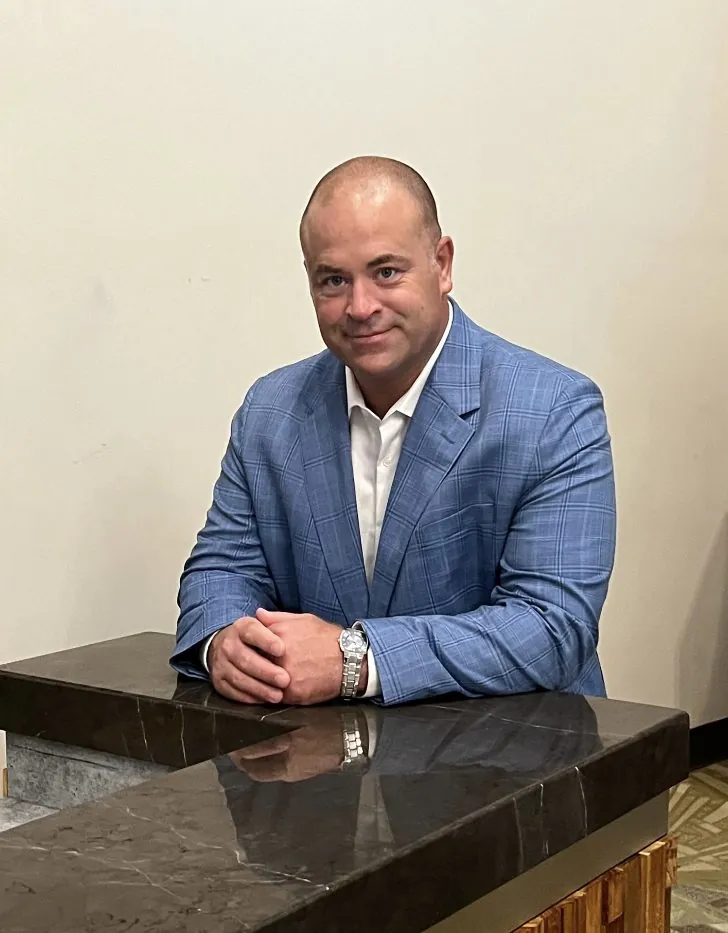
Carson Jones
Carson Jones is the host of Carson's Corner: Commercial Real Estate, author of The Red Flag Playbook, a licensed commercial real estate advisor and business broker, and the founder of Passive Investments. With 18 years of experience as an entrepreneur and 12 years specializing in passive investing, Carson works with high-net-worth individuals, family offices, business owners, and sophisticated investors as a broker and principal.
Carson holds a BBA in Finance from Baylor University and his Tennessee commercial real estate license (#382989). He actively pursues acquisition and equity opportunities across the United States through a nationwide network of qualified buyers, family offices, institutional investors, and top-tier developers.