How does Carson Jones work with commercial real estate investors and owners?
Carson Jones works with investors and owners through direct communication, decisive action and transparency, identifying deal problems early and raising them openly rather than letting deals stall. He is a Tennessee commercial real estate broker and investor who describes himself as an ENTJ, uses process only where it protects a client's interests, and focuses on long-term wealth building over short-term results. For owners selling or leasing, his core promise is competition: instead of negotiating with one buyer, he puts the property in front of multiple qualified buyers and negotiates price, terms and certainty of closing.
Key takeaways
- Listing with Carson means a competitive process: multiple qualified buyers establish what the market will pay, rather than a single buyer deciding what they are willing to pay.
- The first step is an exclusive listing agreement covering the property (all or part), the structure (sale, ground lease or paid option), term and commission, authority, any excluded buyers, and confidentiality terms.
- Every engagement is confidential by default: a blind teaser first, names, addresses and financials only after a signed NDA, and no sign or public listing unless the owner wants one.
- Carson describes himself as a textbook ENTJ ("The Commander") who operates with strategic vision, decisive action and a focus on efficiency rather than corporate bureaucracy.
- He works best with owners, investors and entrepreneurs who value direct communication, decisive action, transparency and forward momentum on deals.
- His stated approach rests on three principles: honesty, competence and results, aimed at closing strong deals, building passive wealth and avoiding costly mistakes.
- Carson holds a BBA in Finance from Baylor University and Tennessee commercial real estate license #382989.
- He has 18 years of experience as an entrepreneur and 12 years specializing in passive investing, and is the author of The Red Flag Playbook.
Who Carson Jones Is: Broker and Commercial Real Estate Investor
In Tennessee's dynamic commercial real estate market, success requires more than just market knowledge — it requires alignment. I'm a commercial real estate broker and investor, author of The Red Flag Playbook, and host of Carson's Corner.
I'm also a textbook ENTJ ("The Commander"). I operate with strategic vision, decisive action, and an unrelenting focus on efficiency. I don't do corporate bureaucracy — I do results.
How an ENTJ Approach Shapes Carson's Brokerage and Investing
As an ENTJ, my approach to brokerage and investing is defined by a few distinct advantages.
Macro Vision, Micro Execution
I see the long-term pattern and build the exact roadmap to get there.
Zero Inefficiency
I cut through red flags, stagnation, and administrative bloat.
Direct & Decisive
Time is currency. I communicate with absolute honesty — and expect the same.
How I Work Best
I work best with owners, investors, and entrepreneurs who value direct communication, decisive action, transparency, and forward momentum.
- Direct communication
- Decisive action
- Transparency
- Forward momentum
- Problems identified early and raised directly
- Solutions that keep the deal moving
- Process only where it protects your interests
- Good opportunities carried to the finish line
I identify problems early, communicate them directly, and focus on solutions rather than letting deals stall. My goal isn't to create unnecessary process — it's to protect your interests and move good opportunities toward the finish line.
Why List With Us
The Biggest Advantage Is Competition
A good broker doesn't just find a buyer. We create competition, protect the seller, and maximize the property's value. Here are the seven reasons that matter most to commercial property owners.
- 1
Maximize the sale price through competition
A single buyer decides what they are willing to pay. Multiple qualified buyers competing for the same property establish what the market will pay. The goal is not just an offer, but the strongest combination of price, terms and certainty of closing.
- 2
Reach buyers you cannot reach alone
Institutional investors, private equity groups, family offices, developers and public companies often don't search listing websites. They rely on established relationships and targeted opportunities, which means your property can reach them privately, without a public listing.
- 3
Professional marketing creates credibility
Institutional buyers expect professional presentations, accurate property information, financial analysis, due diligence materials and a clear process. Poorly packaged properties get overlooked, even when the land is valuable.
- 4
Don't leave money on the table
An unsolicited offer can look attractive, but without market exposure, how do you know it's the best one? We evaluate alternative uses, redevelopment potential, lease structures and buyer profiles that may value the land differently.
- 5
Qualify buyers and eliminate wasted time
Not everyone who makes an offer can close. We check proof of funds, financing contingencies, acquisition criteria and execution capability before you commit significant time or share sensitive information.
- 6
Negotiate more than price
Earnest money, due diligence periods, contingencies, closing timelines and seller obligations can change the real value of an offer. We negotiate the entire transaction, not just the headline number.
- 7
Reduce risk through closing
Contracts, title, environmental conditions, financing and zoning can each stall a deal. We coordinate attorneys, lenders, engineers and other professionals to keep the transaction moving to closing.
“If you're negotiating with one buyer, you're negotiating against yourself. Our job is to expose your property to qualified buyers, create competition, and negotiate the best possible price and terms. Just as importantly, we make sure the buyer can actually close.”
Carson Jones · Passive Investments · eXp Commercial
Confidential by Default
Every engagement starts confidential. Your name, your property's address and your financials stay private until you approve each release, and then only to buyers who have signed a non-disclosure agreement and shown they can close. No sign and no public listing unless you want one. Employees, tenants, customers and competitors learn about a sale when you decide they should, not before.
Why the Right Buyer Matters More Than the First Buyer
Different buyers can assign dramatically different values to the same land based on power, zoning, infrastructure and intended use. Finding the right buyer can matter more than finding the first buyer.
Our Three Commitments
Maximize Your Property's Value
Create competition among qualified buyers instead of negotiating with a single interested party.
Access Buyers You Can't Reach Alone
Put your property in front of institutional investors, developers, family offices and strategic buyers.
Protect Your Interests Through Closing
Evaluate buyers, negotiate favorable terms, keep the sale confidential until you're ready to announce it, and reduce the risk of costly transaction mistakes.
How Does the Listing Agreement Work?
The first step is an exclusive listing agreement. It gives us the authority to package the property, speak with the utility, the local zoning authority and qualified buyers on your behalf, and run a competitive process.
What It Covers
| Item | What we will agree |
|---|---|
| Property | All of your property, or only the portion you choose to offer; we confirm the parcels and acres together |
| Structure | Partial sale, full sale, ground lease or paid option, and how each is treated; land not offered stays yours, and later phases can be added |
| Term and commission | Listing term, commission on a sale, and commission on a lease or option |
| Authority | Permission to request utility, zoning and infrastructure information and to share approved materials with qualified buyers |
| Exclusions | Any buyers or discussions you want excluded, listed at signing |
| Confidentiality | Whether the property is marketed privately or publicly, the NDA buyers must sign, and what is released at each stage |
What Happens After Signing
- We decide with you what to offer, and assemble the property file: surveys, deeds, easements and any prior utility or developer contact
- We open the utility conversation and confirm zoning and site conditions with the local jurisdiction
- We package the property around what is confirmed, and present it to a targeted list of qualified buyers, by blind teaser first, with names, address and financials released only after a signed NDA
- We run a competitive process and negotiate price, terms and certainty of closing on your behalf
We don't just find buyers. We create a competitive market for your property.
Carson's Core Principles: Honesty, Competence and Results
My approach is rooted in honesty, competence, and results. I'm here to help you close strong deals, build passive wealth, and avoid costly mistakes.
Think in decades, not quarters. Let's build.
Let's Build
If you value decisive leadership, direct communication, red-flag awareness, and long-term wealth building, we'll likely work exceptionally well together.
Frequently Asked Questions
Why should a commercial property owner list with a broker instead of selling to one buyer directly?
The biggest advantage is competition. A single buyer decides what they are willing to pay; multiple qualified buyers competing for the same property establish what the market will pay. Carson Jones says a good broker doesn't just find a buyer, but creates competition, protects the seller and maximizes the property's value, aiming for the strongest combination of price, terms and certainty of closing.
What are the seven reasons to list a commercial property with Carson Jones?
Carson Jones lists seven: maximize the sale price through competition; reach buyers you cannot reach alone, such as institutional investors, private equity groups, family offices, developers and public companies; professional marketing that creates credibility; not leaving money on the table on an unsolicited offer; qualifying buyers so you don't waste time; negotiating more than price, including earnest money, due diligence periods, contingencies and closing timelines; and reducing risk through closing by coordinating attorneys, lenders, engineers and other professionals.
What does Carson Jones's exclusive listing agreement cover?
The listing agreement covers the property (all of it, or only the portion the owner chooses to offer), the structure (partial sale, full sale, ground lease or paid option, and how each is treated, with land not offered staying the owner's), the listing term and commission on a sale, lease or option, authority to request utility, zoning and infrastructure information and share approved materials with qualified buyers, any buyers or discussions the owner wants excluded, listed at signing, and confidentiality terms: whether the property is marketed privately or publicly, the NDA buyers must sign, and what is released at each stage.
What happens after an owner signs a listing agreement with Carson Jones?
After signing, Carson Jones decides with the owner what to offer and assembles the property file (surveys, deeds, easements and any prior utility or developer contact); opens the utility conversation and confirms zoning and site conditions with the local jurisdiction; packages the property around what is confirmed and presents it to a targeted list of qualified buyers; and runs a competitive process, negotiating price, terms and certainty of closing on the owner's behalf.
What kind of clients does Carson Jones work best with?
Carson Jones works best with owners, investors and entrepreneurs who value direct communication, decisive action, transparency and forward momentum. He identifies problems early, raises them directly and focuses on solutions that keep a deal moving. Clients who value red-flag awareness and long-term wealth building, rather than heavy process, tend to be the best fit.
What does Carson Jones mean by the ENTJ edge in commercial real estate?
Carson identifies as an ENTJ, the personality type known as "The Commander," and ties three working habits to it: macro vision with micro execution, meaning he sees the long-term pattern and builds the roadmap to reach it; zero tolerance for inefficiency, red flags and administrative bloat; and direct, decisive communication with absolute honesty.
How does Carson Jones handle problems that come up during a deal?
Carson's practice is to identify problems early, communicate them directly and focus on solutions rather than letting deals stall. He uses process only where it protects the client's interests, not for its own sake, with the goal of carrying good opportunities through to closing.
What roles does Carson Jones hold in commercial real estate?
Carson Jones is a Tennessee commercial real estate broker and investor, the author of The Red Flag Playbook and host of Carson's Corner. He is also a licensed business broker and founder of Passive Investments, working as a broker and principal with high-net-worth individuals, family offices and business owners.
What is Carson Jones's investment philosophy?
Carson's philosophy is to think in decades, not quarters. His approach is rooted in honesty, competence and results, with the aim of helping clients close strong deals, build passive wealth and avoid costly mistakes. He favors long-term value and alignment between partners over short-term wins.
Can I sell my commercial property or business without employees, tenants or customers finding out?
In most cases, yes. Carson Jones runs confidential sales by marketing with a blind teaser that leaves out the owner's name and the address, requiring a signed non-disclosure agreement and proof of ability to close before anything identifying is shared, and scheduling tours after hours or starting with off-site meetings. Employees, tenants and customers are usually told late in the process, once a buyer is committed, on a timeline the owner controls.
Can a commercial property be sold without a public listing or a For Sale sign?
Yes. A private or off-market sale skips the sign, the listing websites and public advertising. Instead, Carson presents the property directly to a targeted list of qualified buyers: institutional investors, family offices, developers and strategic buyers who rely on relationships rather than listing sites. The owner decides at signing whether the property is marketed privately, publicly, or in stages, starting private and widening only if needed.
How do you keep a seller's identity private during a sale?
The first marketing piece is a blind teaser that describes the asset type, size, market and financial profile without naming the owner or giving the address. Identity and location are released only to buyers who have signed an NDA and been qualified. A sale does become public record when the deed is recorded at closing; what confidentiality protects is the marketing and negotiation period before that, which is when leaks do the most damage.
What information is shared with buyers during a confidential sale, and when?
Disclosure is staged. First, a blind teaser. Second, after a signed NDA, the offering memorandum with the name, address and summary financials. Third, for buyers who have submitted a letter of intent and shown proof of funds, the detailed rent roll, leases, ledgers or tax returns and site access. Each stage is released only with the owner's approval, so sensitive information reaches the fewest possible people.
Should I approach a competitor directly about buying my business or property?
Competitors are often the strongest buyers, but they are also the parties most likely to use what they learn. Carson recommends approaching them through an intermediary: the competitor sees a blind teaser first, signs an NDA, and has to show real interest and the capacity to close before seeing the owner's identity or numbers. That separates genuine buyers from competitors fishing for customer lists, pricing or staff.
A competitor wants my full financials before making an offer. What should I do?
Don't hand them over. A serious buyer can make an initial offer or letter of intent from summary financials. Customer names, supplier terms, payroll and full ledgers should come later, after a signed NDA and an accepted letter of intent, and the most sensitive items can be summarized, redacted, or reviewed only by the buyer's accountant or attorney until closing is close.
Is a non-disclosure agreement enough to protect a confidential sale?
An NDA is necessary but not sufficient. It deters leaks, gives the seller a legal remedy, and can bar a buyer from soliciting employees, tenants or customers, but proving a breach and recovering damages is slow and expensive. The real protection is process: qualifying buyers before they sign, releasing information in stages, limiting how many parties see the details, and keeping a record of who received what. Owners should have their attorney review NDA terms.
When should a seller tell employees or tenants that a property or business is being sold?
Usually later rather than earlier, and on the owner's timeline. Key managers may need to be told sooner, often with a retention bonus, if the buyer needs to meet them. Tenants typically learn during due diligence, when the buyer asks for estoppel certificates, or at closing, when they are told where to send rent. Announcing a sale at the start invites rumors, departures and nervous customers before a deal is certain.
Why would an owner keep a sale confidential, and is that a bad sign?
It is not usually a bad sign. Confidentiality protects the people who would be hurt by a deal that never closes: employees who might leave, tenants or customers who might go elsewhere, and lenders or vendors who might tighten terms. It also protects value, because a business or building that sits publicly for sale for months can start to look distressed. Most well-run sales stay confidential until the buyer is committed.
Can I sell part of my property or bring in equity without publicly marketing it?
Yes. Carson Jones works as a broker and as a principal alongside equity and capital partners, so a partial sale, a recapitalization or a minority equity stake can be placed directly with that capital instead of being marketed publicly. Terms are negotiated privately under NDA, and the owner keeps control over who learns about the transaction.
Developers keep making unsolicited offers on my property, but I'm not ready to sell. What should I do?
Don't list it at an inflated price to make them go away; that tells the whole market the property is available. Get a confidential valuation instead, so you know what the property is worth to the buyers who would value it most. Carson can then act as the point of contact for inquiries, keeping the owner out of repeated calls, and quietly test any serious offer against other qualified buyers if a number ever makes sense.
Can I sell my building and my operating business together, confidentially?
Yes. An owner-operator can sell the real estate and the business together, sell the business and keep the building as landlord, or sell the building and lease it back. As a commercial real estate broker and licensed business broker, Carson structures these sales to keep operations steady: the business runs normally, tours happen after hours, and staff and customers are told once the buyer is committed.
Does selling confidentially mean getting a lower price?
Not necessarily. A confidential sale reaches fewer buyers than a fully public listing, and that is the trade-off. Carson's approach is to run a competitive process inside the confidential group, with several qualified buyers under NDA bidding on the same package, so the owner gets competition on price and terms without broadcasting the sale. Selling alone tends to cost the most: no buyer screening, no NDA discipline, and one buyer setting the price.
Selling or buying commercial property? Let's talk.
Brokerage and equity participation for commercial real estate owners, investors, and family offices — worldwide, through the eXp Commercial platform.
Carson Jones
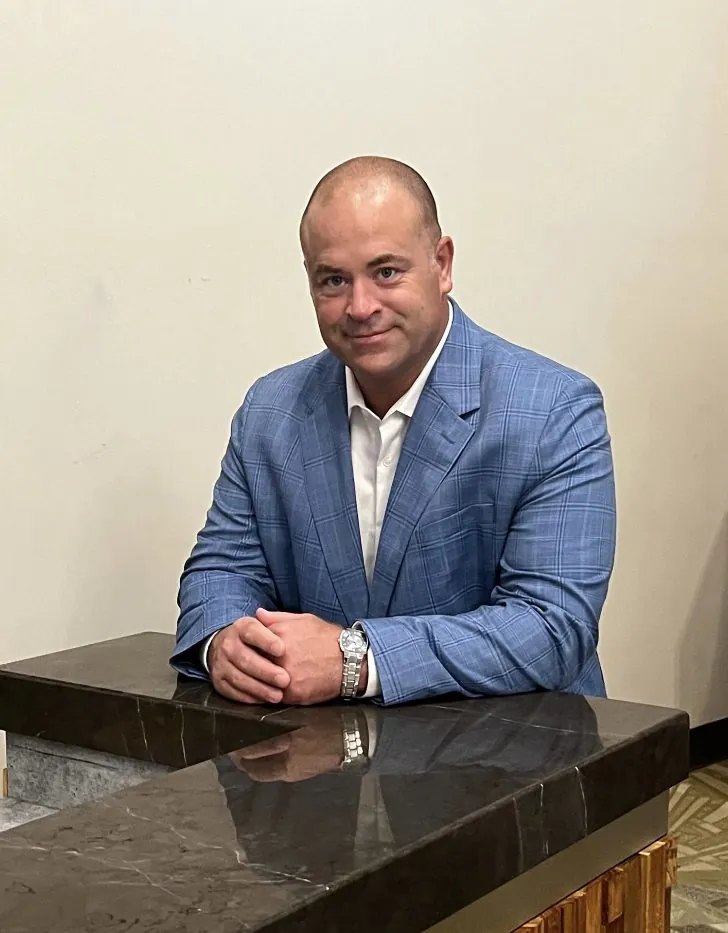
Carson Jones is the host of Carson's Corner: Commercial Real Estate, author of The Red Flag Playbook, a licensed commercial real estate advisor and business broker, and the founder of Passive Investments. With 18 years of experience as an entrepreneur and 12 years specializing in passive investing, Carson works with high-net-worth individuals, family offices, business owners, and sophisticated investors as a broker and principal.
Carson holds a BBA in Finance from Baylor University and his Tennessee commercial real estate license (#382989). He actively pursues acquisition and equity opportunities across the United States and abroad through a worldwide network of qualified buyers, family offices, institutional investors, and top-tier developers.