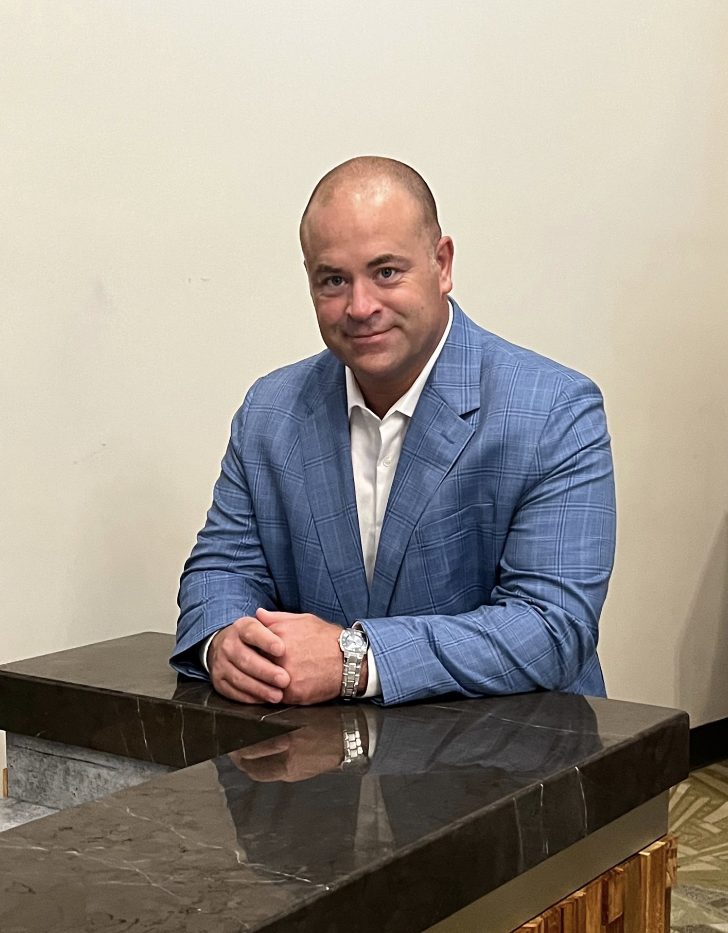
What does it look like to buy a business with zero industry experience, nearly go broke twice, and still build a 10-company HVAC roll-up out of McKinney, TX? Nathan Lindley lived it. After 15 years running a book publishing company, Nathan closed on his first HVAC acquisition in February 2020 — weeks before COVID shut down the world — using his own equity, his dad's retirement, and an inheritance loan from a friend. In this episode, Nathan and Carson break down the straight-commission overhaul that unlocked scale, his "buying at-bats" framework, how he competes against PE-backed HVAC giants without paying their Google ad prices, and the roll-up playbook he'd use if he had to start over today. Now working on acquisition number 11 and eyeing a potential exit within the next year, Nathan shares the hard-won lessons that only come from almost losing it all — twice.
In February 2020 — just weeks before COVID shut down the world — Nathan closed on his first HVAC acquisition using his own equity, his dad's retirement, and an inheritance loan from a friend. The business came with exactly one technician who held all the leverage, an owner-dependent customer base, and a model that almost ended Nathan's entrepreneurial career before it started.
After 15 years running a book publishing company, Nathan wanted something more consistent. What he got instead was a crash course in why buying a $250K mom-and-pop with no operational experience is one of the most dangerous moves in small business acquisition.
In this episode, Carson and Nathan break down:
- Why his first acquisition almost killed the entire vision
- The straight-commission overhaul that turned the business around and unlocked scale
- His "buying at-bats" framework — why he ignores current profitability and targets call volume instead
- How he competes against private equity-backed HVAC giants without paying their Google ad prices
- The roll-up playbook he'd use if he had to start over today
- What he'd buy instead of HVAC — and whether he has any regrets
- Why he believes most PE firms in the trades can't actually operate the businesses they acquire
Whether you're an aspiring acquirer, a roll-up operator, or an investor looking at the home services space, this conversation is a playbook in survival, incentive alignment, and building real enterprise value in a fragmented industry.
Connect with Nathan Lindley on LinkedIn.
Buying, selling, or raising capital for a deal?
Passive Investments works with owners, investors, and family offices as broker, principal, and capital partner — commercial real estate, business acquisitions, and tax-advantaged structures.