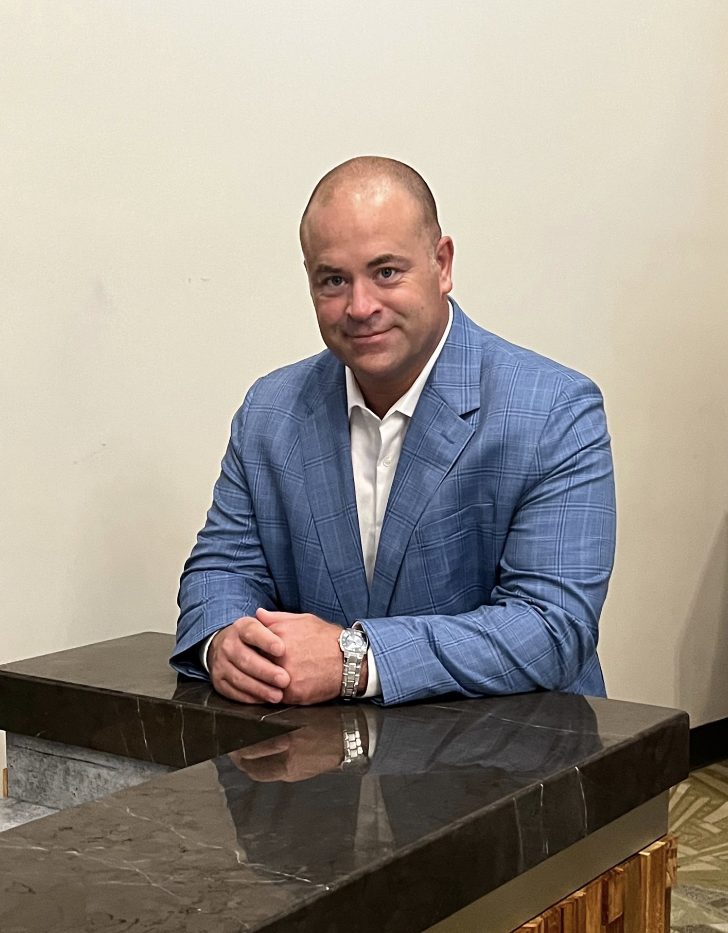
Brian Walter has been trading markets since 1996 — through the Russian crisis, the dot-com bubble, the '08 financial crisis at the epicenter of credit at UBS, COVID, and the fastest rate hike in recent memory. Today he's Co-Founder and Managing Partner at Fairbridge Asset Management, where he runs portfolio management, finance, and operations, and sits on the credit committee.
In this conversation, Brian breaks down how private lenders are filling the void left by regional banks pulling back after Silicon Valley Bank and First Republic — and why it's the same playbook that reshaped corporate credit after Dodd-Frank and Basel III, now playing out in real estate.
We get into:
- Why private credit wins on speed, certainty of close, creativity, and proceeds — closing in 30–45 days versus a bank's 90–120
- The sub-$50M (and even sub-$30M) lending sweet spot the multi-billion-dollar managers won't touch
- Why every default Fairbridge has ever had came down to one thing: execution, not valuation
- The bridge lending life cycle — land, construction, rehab, and lease-up — and how risk and pricing shift across it
- Where we are in the real estate credit cycle: Sun Belt oversupply in Austin, Vegas, Nashville, and Atlanta versus a tight, strong Northeast and California
- How foreclosure timelines (2.5 years in NYC vs. 30 days in Texas) directly shape LTV and where they'll lend
- Why the Rust Belt revival — Columbus, the Intel plant, Kansas City — is beating the overcrowded Sun Belt trade
- Reading migration through cell phone and U-Haul data, and what immigration enforcement is doing to construction labor
A masterclass in risk, discipline, and finding the less-competitive corners of the market — for entrepreneurs, investors, and anyone watching commercial real estate. Connect with Brian on LinkedIn or at [email protected].
Buying, selling, or raising capital for a deal?
Passive Investments works with owners, investors, and family offices as broker, principal, and capital partner — commercial real estate, business acquisitions, and tax-advantaged structures.