How do off-market commercial real estate deals work?
An off-market commercial real estate deal is a property sold without a public listing on platforms such as CoStar or LoopNet. A broker who already knows the owner prices the asset, sends a teaser to a curated list of 3-15 qualified buyers, collects NDAs and LOIs, then manages a purchase agreement and 30-60 days of due diligence. Sellers choose it for confidentiality, speed, certainty and control, not for a discount.
Key takeaways
- Industry practitioners widely estimate that 30-50% of commercial transactions above $5M never touch a public listing platform, though estimates vary.
- Off-market deals typically take 60 to 180 days from first conversation to closing; all-cash deals can close in 30-45 days, CMBS or agency-financed deals in 90-120 days.
- Off-market does not mean below market price; competitive off-market deals can trade at or above what a marketed process would produce.
- Finding one off-market deal takes roughly a hundred targeted owner conversations, with the call list built from county assessor records rather than random outreach.
- Buyers get off-market calls first by sharing written acquisition criteria, closing without re-trading, showing proof of funds quickly, and working with asset-class specialists.
What Is an Off-Market Commercial Real Estate Deal?
Off-market deals represent a significant share of total CRE transaction volume — particularly in institutional asset classes like multifamily, industrial, and net lease retail. Estimates vary, but industry practitioners widely suggest that 30–50% of commercial transactions above $5M never touch a public listing platform.
Why do sellers choose to go off-market?
Sellers go off-market for confidentiality, because a public listing can signal distress to tenants, lenders or competitors; for speed, since a pre-qualified buyer shortens the time to close; for certainty, with fewer bidders and less re-trade risk; and for control over the process, timeline and buyer pool. Long-term operators also prefer known counterparties.
Sellers pursue off-market transactions for several strategic reasons:
- Confidentiality: Publicly listing a property can signal distress to tenants, lenders, or competitors.
- Speed: A pre-qualified buyer already in the pipeline shortens time-to-close.
- Certainty: Fewer competing bidders means less deal fatigue and lower re-trade risk.
- Control: The seller dictates the process, timeline, and buyer pool.
- Relationship value: Long-term operators prefer to transact with known counterparties.
How does an off-market deal work, step by step?
It starts with relationships a broker has built for years. The broker prices the asset, sends a short teaser to a curated list of about 3–15 qualified buyers, collects NDAs and letters of intent, then negotiates a purchase agreement followed by roughly 30–60 days of due diligence before closing. Preparation and speed matter at every step.
Understanding how off-market transactions unfold helps both buyers and sellers set realistic expectations and move quickly when the right opportunity surfaces.
-
Relationship Development (Ongoing)
Off-market deal flow is relationship-driven. Brokers cultivate networks of owners, operators, family offices, private equity sponsors, and institutional asset managers — often years before a property becomes available. The most effective brokers maintain consistent outreach, track ownership tenure, and monitor life events (estate planning, debt maturity, portfolio rebalancing) that often precede a sale.
-
Identifying the Motivated Seller
A seller expresses interest in exploring a transaction — often through a direct conversation rather than a formal engagement. At this stage, the broker's role is to assess deal viability: Is the price expectation realistic? Is the seller truly motivated, or simply testing the market? The broker must establish enough trust to have frank discussions about pricing, timing, and terms before any marketing begins.
-
Asset Evaluation and Pricing
The broker prepares an informal valuation or full Broker Opinion of Value (BOV) using comparable sales, cap rate analysis, and market positioning. For off-market deals, this step is critical — overpricing kills the process before it starts, and under-pricing damages the seller relationship. The goal is to anchor expectations at a number that a qualified buyer will accept without a prolonged negotiation.
-
Selective Buyer Outreach
Unlike a formal marketed listing, off-market outreach targets a curated list of 3–15 qualified buyers — investors who have demonstrated interest in similar asset types, are actively deploying capital, have previously closed deals with or near the broker, and can provide proof of funds quickly. Outreach is typically informal: a call, a brief email teaser, or a one-page summary — not a full Offering Memorandum.
-
NDA and Confidential Information Package
Interested buyers execute a Non-Disclosure Agreement before receiving the full deal package. The CIP (Confidential Information Package) includes rent rolls, lease abstracts, operating statements, and a property summary — enough to underwrite the deal, but not yet a full due diligence data room.
-
LOI Negotiation
Qualified buyers submit Letters of Intent outlining purchase price, earnest money deposit, due diligence period, financing contingencies, and closing timeline. The broker manages this process — facilitating negotiation between parties to reach an executed LOI before formal contract drafting begins.
-
PSA Execution and Due Diligence
Once the LOI is executed, attorneys draft the Purchase and Sale Agreement. Due diligence typically runs 30–60 days, during which the buyer inspects the property, verifies financials, reviews leases, orders an environmental assessment, and secures financing. The broker coordinates access and manages timelines to prevent the deal from stalling.
-
Closing
The transaction closes through a title company or attorney. Because both parties were pre-qualified and the process was controlled, off-market deals frequently close on schedule with fewer last-minute complications than marketed listings.
How do buyers get access to off-market deals?
Be the buyer brokers call first. Share a clear acquisition criteria document with active brokers, close the deals you sign, avoid re-trading or canceling in diligence, show proof of funds quickly, attend industry events such as ICSC, IMN and ULI, and work with specialized brokers in your target markets. Reputation as a reliable buyer is the asset.
For buyers, accessing off-market opportunities requires being the type of counterparty that brokers call first. That means:
- Establishing a clear acquisition criteria document and sharing it proactively with market brokers
- Closing deals — brokers remember buyers who perform and avoid those who re-trade or cancel in diligence
- Maintaining liquidity and being able to demonstrate proof of funds quickly
- Attending industry events (ICSC, IMN, ULI) where relationships are built informally
- Working with specialists — a broker with deep expertise in one asset class and geography will have more off-market flow than a generalist
What are the common misconceptions about off-market CRE?
The biggest is that off-market means below market. Sellers choose quiet processes for control and confidentiality, not distress pricing, and in competitive markets off-market deals can trade at or above what a marketed sale would bring. Another is that only large institutional deals go off-market; they happen at every size, from $1M strip centers to trophy towers.
"Off-market means below market price"
Not necessarily. Sellers pursue off-market processes for control and confidentiality, not distress pricing. In competitive markets, off-market deals can still transact at or above what a marketed process would yield — especially when a seller has a preferred counterparty.
"Only large institutional deals are off-market"
False. Off-market transactions occur across all size ranges and asset classes — from $1M strip centers to $500M trophy office towers. The mechanism is the same: trust, relationships, and a motivated seller who values certainty over maximum exposure.
"You don't need a broker for off-market deals"
The broker is usually the reason the deal exists at all. Experienced advisors maintain the relationships, surface the opportunity, structure the process, and manage the negotiation that makes an off-market transaction possible. Trying to access off-market deals without broker relationships significantly narrows a buyer's pipeline.
Frequently Asked Questions about Off-Market CRE Deals
How do I find off-market commercial real estate deals?
Build relationships with specialized brokers in your target market, attend industry events, join owner associations, and be responsive and decisive when opportunities surface. Reputation as a reliable buyer is your most valuable asset.
Are off-market deals better for buyers or sellers?
Both parties can benefit. Sellers gain confidentiality, speed, and certainty of close. Buyers gain access to inventory that never hits the open market and reduced competition. The key is that both sides need a trusted intermediary managing the process.
How long does an off-market CRE deal take to close?
From initial conversation to closing, off-market deals typically range from 60 to 180 days depending on asset complexity, financing structure, and due diligence requirements. All-cash transactions can close in 30–45 days. Deals requiring CMBS or agency financing typically run 90–120 days.
Why are so many off-market deals bad deals?
Because off-market usually means the seller is not motivated, not that the price is good. An owner who will only trade quietly often has an unrealistic number, a problem the market would price in, or no real intention of selling. Off-market is a sourcing channel, not a discount.
How many owners do I have to call to find one off-market deal?
Roughly a hundred targeted conversations per deal, and targeted is the operative word. Calling a hundred owners of the specific asset type, size and submarket you want produces a handful of real conversations and occasionally a deal. Build the list from county assessor records rather than calling at random.
How do I find off-market industrial deals that are not priced like owner-user deals?
Target owners who are not operating businesses in the building: investor landlords, estates, partnerships winding down, and companies that have already relocated. Watching expiring leases on single-tenant industrial also helps, since an owner facing a vacant building often becomes realistic months before the tenant leaves.
What actually gets an owner who is not selling to engage?
Giving them something before you ask for something: what their building would appraise at today, what comparable space is leasing for, or a tenant who needs their space. The goal of a first contact is permission to stay in touch, because most off-market deals close months or years later.
If the good deals are off-market, is there any point looking at LoopNet or Crexi?
Yes. Plenty of solid assets sell through marketed processes, particularly institutional-quality product. What the platforms are bad at is producing a bargain, since anything priced below market attracts a crowd within days. Use them for comps and market intelligence, and use direct outreach to find a deal before it is priced.
Off-Market CRE Questions Investors Ask
These are the questions buyers, brokers, and owners ask most about the off-market side of commercial real estate—finding owners, approaching them, pricing quiet deals, and getting paid legally for an introduction.
Why owners sell quietly
Why would a property owner sell without fully marketing the property?
Most owners who skip a full marketing campaign are trading some price upside for privacy, speed, and certainty. Common reasons include keeping tenants and staff from hearing the building is for sale, avoiding a public "stale listing" if it doesn't trade, partnership or estate situations that need discretion, and wanting to deal with one credible buyer instead of managing dozens of tours and retrades. In multifamily, a public sale can unsettle residents and on-site employees, so owners often test pricing quietly first.
Why would an owner sell a property directly to an investor instead of through a broker?
Usually to save the commission and keep the sale confidential. Some owners already have a buyer they trust, received an unsolicited offer that meets their number, or simply dislike the listing process. The trade-off is that without competitive bidding the seller rarely knows whether the price is the market's best, which is why many direct deals still involve a broker on one side or an appraisal or broker opinion of value before signing.
Are owners who sell off-market typically older individuals or family-run owners?
Often, but not always. Long-held properties owned by individuals, families, and small partnerships are a large share of off-market sellers because life events—retirement, estate planning, a death, or a partner dispute—drive the timing. But institutions and funds also sell quietly, typically through limited "whisper" processes to a short list of buyers when a fund is winding down or a loan is maturing.
Why are property owners in bankruptcy often reluctant to sell?
Because bankruptcy is often a strategy to keep the property, not a decision to sell it. An owner may file Chapter 11 to stop a foreclosure and restructure the loan, hoping the market recovers. And if a sale does happen, it generally requires court approval—often through a Section 363 sale with an auction and overbid process—so a buyer can't simply negotiate a private deal with the owner. The trustee, lender, and creditors all have a say.
Should I accept an unsolicited off-market offer on my commercial property?
Only after you know what the property would bring on the open market. A strong unsolicited offer may still be below value, so get a broker opinion of value or appraisal and compare it with your hold plan. If you sell, a 1031 exchange can defer the gain, but you must engage a qualified intermediary before closing, identify replacement property within 45 days, and close within 180 days—so line up realistic replacement options before you sign.
Finding off-market deal flow
Which outreach methods work best for finding off-market properties: letters, calls, postcards, or networking?
A combination works best, and consistency matters more than the channel. Letters and postcards build recognition, phone calls create actual conversations, and local networking and broker relationships surface deals owners never advertise. Many experienced investors run a repeating sequence—mail, then a call, then follow-up every few months—to a defined list of owners in one market and asset type. Most off-market deals close after multiple touches over months or years, not from the first contact.
How do you find commercial and multifamily deals beyond LoopNet when listing agents don't respond?
Go direct to owners and to the brokers who actually control inventory. Build owner lists from county assessor records, call the local brokers who closed recent sales in your target asset type, and attend local commercial broker and investor events. Listing agents ignore inquiries that look unqualified, so lead with a short buy box, proof of funds or lender support, and a track record or partner—buyers who can close get called back.
How hard is it for a new investor to get a commercial real estate deal?
It is hard but realistic if you narrow your focus. New buyers compete against groups with track records and committed capital, so sellers and brokers favor certainty of close. Pick one market, one asset type, and a size range you can finance, then build relationships, line up a lender, and consider partnering with an experienced operator or capital partner on your first deal to borrow their credibility.
How do you find off-market properties on a tight budget without paid data platforms?
Use free public records and your own legwork. County assessor and GIS sites list owners and mailing addresses, the Secretary of State business search shows who is behind most LLCs, and county clerks publish tax-delinquent, code-violation, and probate filings. Driving neighborhoods for vacant or neglected buildings ("driving for dollars") costs only time. Paid tools mostly save hours by bundling this same public data.
Is calling owners of rental listings on Facebook Marketplace or Craigslist a good way to find off-market deals?
It can work for small residential rentals, much less for commercial property. Landlords advertising their own vacancies are often self-managing and may be tired of it, so a polite question about whether they'd consider selling sometimes opens a conversation. Larger commercial owners rarely list space there, so for apartments of meaningful size, office, retail, or industrial, owner records and broker relationships are better sources.
Is there a website or app that shows off-market commercial properties or properties about to come to market?
No site reliably shows true off-market deals—if a property is broadly published, it is effectively on the market. Commercial data platforms can flag likely sellers using signals such as long hold periods, upcoming loan maturities, tax delinquency, or recent vacancy, and some brokers circulate pre-marketing "coming soon" deals to their buyer lists. The earliest look still comes from relationships with owners and the brokers they call first.
Besides REIA meetings, how do you connect with sellers of off-market commercial property?
Go where commercial owners and their advisors already are. Local CCIM, apartment association, NAIOP, and chamber events draw owners; CPAs, estate attorneys, property managers, and lenders hear about sales before brokers do; and direct outreach to owners in a defined area builds a pipeline over time. Hosting or co-hosting a small investor or dealmaker networking event is another way to become the person sellers call first.
How do you find off-market properties in a market you don't live in?
Partner with people on the ground and work the records remotely. County assessor and recorder data, Secretary of State searches, and mail or phone campaigns all work from anywhere. What you can't do remotely is tour, gauge neighborhoods, and build local trust, so align with a local commercial broker, property manager, or operating partner who knows the submarket and can walk properties before you commit capital.
Can below-market commercial deals be found on listing sites, or only through referrals and probate?
Both, but true discounts are more common off-market. Listed properties occasionally trade below value when they are mispriced, stale, or poorly marketed, and an overlooked listing with a motivated seller can be a good buy. Probate, estate, and referral deals offer less competition, but the price is not automatically below market—heirs and their attorneys often order appraisals. The discount comes from motivation and limited competition, not from the source itself.
Where can you find multifamily properties with five or more units online to practice analyzing deals?
Use active listings on commercial listing sites and the offering memorandums brokers send out. LoopNet, Crexi, and brokerage websites list apartment buildings with rent rolls and operating summaries, and registering for broker email lists will bring a steady stream of OMs. Re-underwrite each one with your own rent, expense, and vacancy assumptions instead of the broker's pro forma—that gap is the real lesson.
Owner research, skip tracing, and public records
How do you identify the owner behind an LLC that owns a commercial property?
Start with the state business filing, then follow the signatures. Look up the LLC on the Secretary of State site for its registered agent, manager, organizer, and principal address, then check the deed, mortgage, and other recorded documents for the person who signed on its behalf. Once you have a name, skip-trace that individual for phone and email. Some states don't disclose members publicly, so a letter to the registered agent or mailing address may be the only route.
What public records provide information on off-market commercial properties?
County assessor, recorder, and court records hold most of what you need. The assessor shows owner name, mailing address, assessed value, and building data; the recorder holds deeds, mortgages, and liens; and courts and clerks publish probate, foreclosure, bankruptcy, and tax-delinquency filings. Add zoning and permit records from the city and the Secretary of State's entity search, and you can build a detailed profile before ever calling an owner.
How do you verify property owner information before contacting the seller?
Cross-check the owner in at least two independent sources. Confirm the current owner in the recorder's latest deed rather than relying only on the assessor, which can lag a recent sale, and match the entity to the Secretary of State record. Verify phone numbers by checking that the name, age, and address history line up in the skip-trace result. A wrong contact wastes time and can embarrass you with an owner you want to work with later.
What should you do when the owner's name doesn't match the property record during skip tracing?
Find out why before you call. Mismatches usually mean the property sold recently, the owner died and title is passing through an estate, the property is held in a trust or LLC, or the record lists a spouse or former name. Check the latest recorded deed, probate filings, and the entity's state filing to identify who actually controls the decision, then reach that person—the trustee, executor, or managing member.
Should you use direct mail or skip tracing to reach commercial property owners?
Use both—they do different jobs. Skip tracing finds phone numbers and emails so you can have a conversation; direct mail builds name recognition and reaches owners whose numbers you can't find. A common sequence is a letter introducing yourself and your buy box, followed by a call a week or two later. Direct mail does reach commercial owners in large metros, but response rates are low, so success comes from repeated, targeted campaigns.
How do you address direct mail to an LLC-owned apartment property?
Address it to the LLC, attention to its manager or principal, at the tax-bill mailing address. That address on the assessor's record is where the owner receives property tax notices, so it usually reaches a decision-maker. Send a second piece to the principal office address in the state filing, and to the managing member by name if you've identified one. Mailing the property itself usually reaches only the on-site manager or a tenant.
What is a good cold-call script for prospecting off-market self-storage and industrial owners?
Keep it short, honest, and focused on their plans rather than your offer. Introduce yourself and why you're calling—"I buy self-storage in this county and wanted to ask whether you'd ever consider selling your facility"—then ask an open question about their long-term plans. If they say no, ask whether you can check back in six months. Don't lead with a lowball price; the goal of the first call is permission for a second one.
How should you approach tax-delinquent property owners, and should you send a letter first?
Yes—a respectful letter before a call usually works better. Tax-delinquent owners are often under stress, so lead with a simple offer to talk about options rather than urgency or threats. When you call, ask about their situation and listen. Before calling cell phones, scrub numbers against the Do Not Call registry and avoid autodialers or texts without consent; telemarketing rules apply even when you're prospecting property owners.
Sourcing by property type
How do investors source off-market multifamily properties of 50 to 200 units?
Mostly through relationships with owners and multifamily brokers, plus disciplined direct outreach. At this size, owners are usually LLCs and experienced operators, so build a list of every property in your target submarkets, identify the principals, and contact them repeatedly by mail and phone. Many $5 million-plus deals trade through brokers who quietly offer them to known buyers, so a clear buy box and proof you can close matter as much as outreach.
How do you find off-market NNN properties of $2 million or more?
Mostly through net lease brokers and direct outreach to private owners. Single-tenant NNN assets are heavily brokered, so get on the buyer lists of the net lease specialists in your target region and tell them your tenant, lease term, and price criteria. For direct deals, target individual owners of single-tenant buildings with long hold periods. Be cautious of wholesalers who don't control the property; ask for the contract or seller authorization before going deep.
How do you find shopping centers and strip malls that are not on the market?
Build an owner list for every center in your target area and contact the owners directly. County records identify the ownership entity; leasing signs and tenant directories reveal the leasing broker, who often knows whether the owner would sell. Local retail brokers who handle leasing hear about owner plans early. Centers with rising vacancy, deferred maintenance, or a maturing loan are often the most receptive.
Is approaching private equity firms about their inventory a good way to find off-market shopping centers?
It can work, but expect most firms to run a brokered process. Private equity owners sell on a fund timeline and usually hire a broker to maximize price, but they sometimes do quiet deals with credible buyers, especially for smaller assets that don't fit the fund anymore. Approach the asset manager with a specific property, a clear price rationale, and proof of capital—general "what do you have?" emails rarely get answers.
Working with brokers and acquisition teams
Will commercial brokers share off-market deals with first-time buyers?
Yes, if you show them you can close. Brokers send off-market deals to the buyers most likely to perform, so a first-time buyer needs a specific buy box, a lender or capital partner already lined up, and quick, honest responses on deals they send. Buy smaller deals through the broker first, close them cleanly, and you'll move up the call list. Partnering with an experienced sponsor on early deals speeds that up.
Should a first-time apartment buyer use a commercial broker or a residential agent?
For five or more units, use a commercial or multifamily broker. Properties with five or more units are valued on net operating income and cap rates, financed with commercial loans, and marketed through commercial networks, which most residential agents don't work in. A residential agent may be fine for two to four units. Look for a broker who has closed apartment sales in your target size range and market.
How do you find a commercial broker who works with investors?
Find the brokers who closed recent sales of the property type you want. Listing sites, brokerage websites, and recorded sales show who represented sellers on comparable deals; call them and share your buy box. Local CCIM chapters and commercial association events also help. Choose a broker who specializes in your asset type and market—apartment, industrial, or retail—and who will be candid about pricing. That is the role Carson Jones plays for investors at Passive Investments.
How do deals reach institutional acquisition teams, and how many are listed versus off-market?
Most deals reach acquisition teams through brokers, either in fully marketed sales or in limited processes offered to a short list of buyers. Truly off-market deals—direct from an owner with no broker—are a smaller share at institutional size, though the exact mix varies by firm and asset type and isn't tracked in any reliable public data. Teams with deep broker relationships and fast decisions see more of the quiet, limited-process deals.
Do larger real estate firms have dedicated deal sourcers, and what channels do they use?
Yes—many larger firms have analysts or business-development staff whose job is sourcing. They maintain relationships with brokers, screen offering memorandums, and run proactive owner outreach in target markets. Beyond brokers and listings, they work lender and loan-servicer relationships for distressed assets, call owners with loans maturing, track joint venture partners and developers, and get referrals from attorneys, accountants, and property managers.
How does a broker run an off-market or pocket listing?
The broker signs a listing agreement that limits marketing, then offers the property privately to qualified buyers. Typically the owner approves a short buyer list, each buyer signs a confidentiality agreement before seeing financials, and the broker collects offers on a set timeline. Public-marketing rules from MLSs mainly affect residential listings, so commercial pocket listings are common, but the broker still owes the seller fiduciary duties and should explain what a limited process may cost in price.
Evaluating and pricing off-market deals
How do experienced investors evaluate an off-market commercial property?
The same way as a listed one—with extra skepticism, because no broker has packaged or vetted the numbers. Sign a confidentiality agreement, request the trailing 12-month operating statement, rent roll, leases, and tax bills, and rebuild the income from source documents. Then compare price to sales comps, replacement cost, and what the debt will support. A non-binding letter of intent sets price and terms before a purchase agreement with a due diligence period.
How do investors arrive at an offer price on a commercial property?
They work backward from the return and the debt the property supports. Start with verified in-place net operating income, apply a market cap rate from recent comps, and test the price against price per unit or square foot and replacement cost. Then size the loan to the lender's debt service coverage requirement and check whether the equity return meets your target. The lowest of those values usually sets the offer.
How do you value an off-market mobile home park?
Value it on lot-rent net operating income at a market cap rate, then adjust. Use actual collected lot rents less real expenses, including utilities the owner pays—master-metered water and sewer is common and costly. Value park-owned homes separately, since lenders and buyers treat that income as weaker. Check occupancy, infrastructure condition, and rent versus nearby parks; the gap between current and market rents is usually where the upside and the negotiation sit.
Where can you find recent commercial real estate sales comps?
From county recorder records, subscription data platforms, and brokers. In most states the recorded deed or transfer tax shows the sale price; some states, including Texas, don't require price disclosure, so comps there come from brokers, appraisers, and data services. CoStar and Crexi offer sold data for subscribers, and local commercial brokers will often share comps with serious buyers or prepare a broker opinion of value.
Wholesaling, finder's fees, and licensing
Is wholesaling commercial real estate legal?
It depends on the state and how it's done. Assigning a purchase contract you hold is generally legal, but marketing a property you don't own to buyers can look like brokering without a license, and a growing number of states now regulate wholesaling directly—requiring a license after a set number of deals, written disclosures, or cancellation rights for sellers. Rules change often, so check your state's real estate commission guidance and use an attorney's contract.
How do wholesalers show a commercial property to buyers when the seller isn't present?
Only with the owner's written permission and a scheduled access plan. The purchase contract should give you the right to show the property to partners or assignees, and you should coordinate visits with the owner or property manager so tenants aren't disrupted. Never enter occupied space without consent. Showing a property you don't own to the public can also cross into licensed activity in some states.
Is it worth cold calling commercial landlords for wholesale deals?
It can be, but commercial owners are harder to wholesale to than residential sellers. They tend to know their values, often have broker relationships, and dislike buyers who tie up a property without intending to close. Calling works better when you're a real buyer or partnered with one. If you plan to assign, disclose that and confirm your state's wholesaling and licensing rules before you start.
What is a fair finder's fee for bringing an off-market commercial deal to a buyer?
There is no standard rate; it's negotiated and must be legal in your state. Finder's fees on larger commercial deals are often a flat dollar amount or a fraction of a percent of the price, with smaller properties sometimes paying a higher percentage; referral fees between licensed brokers are commonly a share of the commission. Put the amount, trigger, and timing in a written agreement signed before the introduction.
Are finder's fees legal in commercial real estate without a license?
Often not. Most states require a real estate license for anyone paid to bring a buyer and seller together, and some allow only a narrow "finder" role—a pure introduction with no negotiation—while others don't recognize it at all. Unlicensed people often can't sue to collect a fee, and licensed brokers are generally barred from sharing commissions with them. Check your state's license law and have an attorney draft the agreement.
Who pays a finder's or referral fee in a commercial real estate sale?
Whoever signs the fee agreement—most often the buyer, sometimes the seller. A finder bringing a property to an investor usually has the agreement with the investor, while a finder bringing a buyer to an owner contracts with the seller. On a deal of about $1 million, the fee is a negotiated amount and is usually paid at closing. Without a signed agreement and a legal basis to be paid in that state, the fee is hard to collect.
How do you secure a commission agreement on an off-market deal when the seller won't sign one?
Get it signed by the other side or don't introduce the deal. If the seller won't agree to pay, ask your buyer to sign a buyer representation or fee agreement before you disclose the property. Many states require commission agreements to be in writing to be enforceable, so a verbal promise or vague email gives little protection. Have the agreement name the property, the parties, the fee, and when it's earned.
Can a finder's fee for introducing an off-market owner to an investor be paid through escrow at closing?
Yes, if there's a signed agreement and the paying party instructs the title or escrow company to pay it. The fee appears on the closing statement as a disbursement. Many title companies, however, require the payee to be licensed or ask for documentation before paying a commission-like fee, and some won't pay unlicensed parties. Use an attorney-drafted agreement rather than an internet template, since enforceability depends on state law.
How should a licensed broker structure a referral fee on an out-of-state commercial deal?
Usually by co-brokering with, or referring to, a broker licensed in the property's state. Brokering in a state where you aren't licensed is generally prohibited, though some states allow limited cooperation by out-of-state commercial brokers. A broker-to-broker referral agreement lets the local broker handle the deal and pay you a share of the commission. Put it in writing before the introduction and confirm both states' rules.
Can a buyer get a finder's or broker fee from the listing broker on a listed property?
Generally only if the buyer is a licensed agent representing themselves. Listing brokers typically can't share commission with unlicensed buyers, and many listings don't offer buyer-side compensation at all. A licensed buyer can ask for a cooperating fee and must disclose their license status. An unlicensed buyer is better off negotiating that value directly into a lower price or better terms, such as seller financing.
Next steps
What is the next step if I want to buy or sell a property off-market?
Sellers should start with a confidential pricing conversation with a broker who already knows qualified buyers, then approve a teaser for a curated list of 3–15 buyers who sign NDAs before seeing financials. Buyers should write a specific buy box, show proof of funds quickly and build relationships with active brokers, because brokers send off-market deals to the buyers most likely to close. Contact Carson to discuss either side.
Sources
Primary sources for the rules and figures cited on this page, checked October 22, 2026. Laws and rates change — confirm current requirements with your CPA, attorney or lender.
Selling or buying commercial property? Let's talk.
Brokerage and equity participation for commercial real estate owners, investors, and family offices — worldwide, through the eXp Commercial platform.
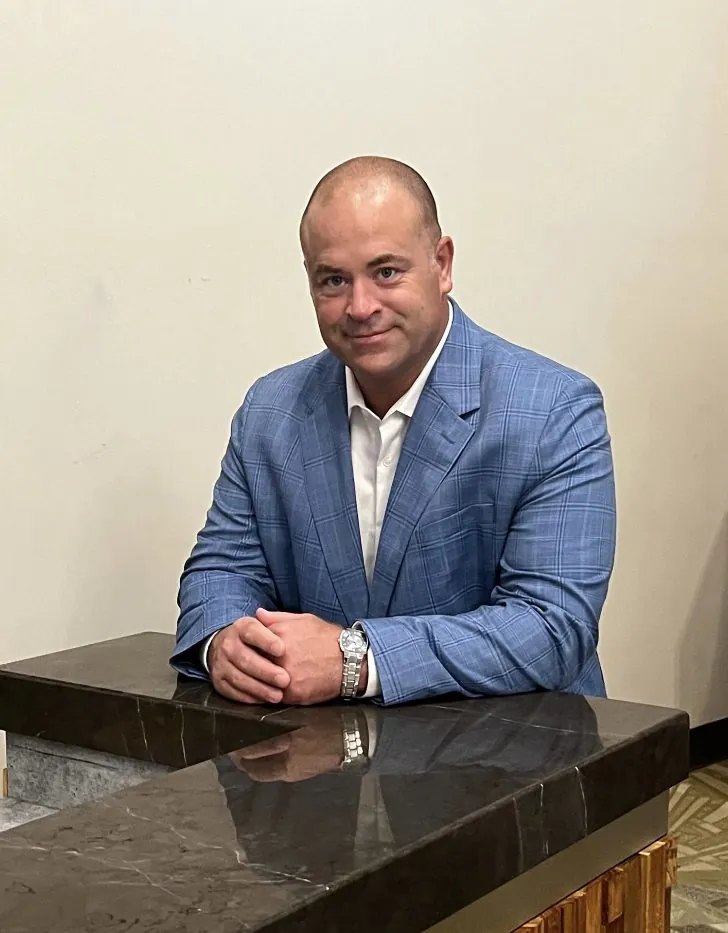
Carson Jones
Carson Jones is the host of Carson's Corner: Commercial Real Estate, author of The Red Flag Playbook, a licensed commercial real estate advisor and business broker, and the founder of Passive Investments. With 18 years of experience as an entrepreneur and 12 years specializing in passive investing, Carson works with high-net-worth individuals, family offices, business owners, and sophisticated investors as a broker and principal.
Carson holds a BBA in Finance from Baylor University and his Tennessee commercial real estate license (#382989). He actively pursues acquisition and equity opportunities across the United States and abroad through a worldwide network of qualified buyers, family offices, institutional investors, and top-tier developers.