How can commercial property owners improve operations and increase NOI?
Most operating gains come from five places: lease structure that passes taxes, insurance and maintenance through to tenants; accurate CAM billing and annual reconciliation; lower energy, insurance and property tax costs; faster leasing and steady rent escalations; and preventive maintenance with real reserves. At an 8% cap rate, every $1 of added NOI adds about $12.50 of property value.
Key takeaways
- Converting gross or modified gross leases to NNN at renewal is often the single largest NOI lever for small owners, because expense growth stops landing on the landlord.
- CAM is usually billed as monthly estimates and trued up once a year; owners who skip the reconciliation, or exclude fees the lease allows, give away income.
- Insurance and property taxes have become the fastest-growing costs for many owners: rebid coverage yearly, document roof and life-safety upgrades, and appeal assessments that lag the market.
- A vacant space costs more than a lower rent in most cases; paying a cooperating broker and marketing to tenants whose leases are expiring shortens downtime.
- Preventive maintenance and a funded reserve cost far less than deferred repairs, and buyers price deferred maintenance at a premium when you sell.
Why Operations Drive Property Value
Commercial property is valued on income. The standard formula is value = net operating income ÷ cap rate, so anything that raises NOI raises value by a multiple, and anything that lets expenses creep up quietly lowers it.
| Annual NOI Change | Value at 7% Cap | Value at 8% Cap | Value at 9% Cap |
|---|---|---|---|
| +$5,000 | +$71,400 | +$62,500 | +$55,600 |
| +$15,000 | +$214,300 | +$187,500 | +$166,700 |
| +$40,000 | +$571,400 | +$500,000 | +$444,400 |
That is why buyers and appraisers start with the trailing twelve months of income and expenses, then check them against the rent roll, leases and CAM reconciliations. A property with clean books, recoverable expenses actually recovered, and no deferred maintenance gets underwritten closer to its real income. For the valuation side, see the cap rate and NOI definitions and How Institutional Buyers Evaluate Commercial Real Estate.
Lease Structure: Who Pays Which Costs
The lease decides whether rising costs are the owner's problem or the tenant's. Many small-building owners inherit gross or loosely written modified gross leases, then watch taxes, insurance and utilities rise while rent stays flat.
| Lease Type | Tenant Pays | Landlord Pays | Owner Risk |
|---|---|---|---|
| Gross (full service) | One rent amount | Taxes, insurance, maintenance, often utilities | All expense growth |
| Modified gross | Rent plus some costs (often utilities, or increases over a base year) | The rest, as written | Depends on drafting |
| Triple net (NNN) | Rent plus share of taxes, insurance and CAM | Usually roof, structure, sometimes parking lot | Capital items |
| Absolute net | Rent plus nearly every cost, including capital repairs | Little or nothing | Tenant credit |
Moving to NNN. Owners rarely change structure mid-lease. The opening is the renewal or a new tenant. A common approach is to set the new base rent below the old gross rent and add the tenant's share of taxes, insurance and CAM, so the tenant's first-year cost barely moves but future increases pass through. If utilities are included today, separate meters or submeters make it possible to bill them back. See The 2026 Owner's Guide: Retail Real Estate for how NNN terms affect sale price.
CAM, NNN Billing and Year-End Reconciliation
Most NNN and CAM leases work on estimate and reconcile. The landlord budgets the year's taxes, insurance and common area costs, bills each tenant one-twelfth of its pro rata share every month, then compares estimates with actual costs after year-end and bills or credits the difference. A few small owners bill actual costs monthly or quarterly instead; it is simpler to calculate but uneven for tenants.
What can usually be recovered
- Usually recoverable if the lease allows: landscaping, snow removal, parking lot sweeping and repairs, common lighting and utilities, common area insurance, real estate taxes, security, trash, and a management or administrative fee.
- Often negotiated or capped: management fees (frequently capped as a percentage of revenue), administrative fees on top of CAM (often in the 10% to 15% range), and capital repairs, which many leases allow only when amortized over the item's useful life.
- Usually not recoverable: the owner's mortgage, income taxes, leasing commissions, costs of preparing space for another tenant, and repairs caused by the landlord's own negligence.
The deciding document is always the lease. If the CAM clause does not mention a management fee or capital items, they are hard to bill later.
Utility billbacks
Where tenants share gas or water meters, owners usually bill back by submeter reading or by an allocation formula in the lease, such as square footage or a fixed monthly charge. Submeters cost more upfront but end disputes and push tenants to conserve.
Energy and Utility Cost Reduction
Energy cuts only raise NOI when the owner pays the bill. Under a NNN lease the savings flow to tenants, which still helps retention and leasing but does not show up in the owner's income directly.
- Lighting: LED retrofits of older fluorescent, metal halide and parking lot fixtures commonly cut lighting energy by half or more and reduce maintenance calls.
- HVAC: heating and cooling is usually the largest energy use in office and retail buildings. Programmable or networked thermostats, setbacks outside business hours, regular coil cleaning and filter changes, and economizer repairs are the low-cost wins before equipment replacement.
- Roof: a roof replacement can add insulation and a reflective membrane that lowers cooling loads, but it is primarily a capital decision driven by the roof's condition, not energy savings alone.
- Rebates: utilities and power providers often fund part of lighting and HVAC upgrades. In Tennessee, check TVA EnergyRight programs through your local power company.
Solar on commercial buildings
Solar raises property value only to the extent it raises NOI. If the owner pays the electric bill, savings add to income; if tenants pay, the owner needs a lease mechanism to share in it. Selling electricity to tenants by the kilowatt-hour is restricted in many places, and in Tennessee's TVA service territory local power companies hold exclusive service rights, so owners typically recover the value through rent or a fixed energy charge after confirming the approach with the utility and an attorney. Federal solar tax credits were sharply curtailed by the 2025 tax law, so confirm current eligibility before counting on them. Buyers and appraisers also look at who owns the system, any lease or loan attached to it, and remaining equipment life.
Insurance and Property Tax Control
Property insurance has been one of the fastest-rising costs for commercial owners over the past several years, especially for older buildings, roofs near the end of their life and properties in storm-exposed areas. Owners who keep premiums in check usually:
- Have an independent commercial broker rebid coverage each year rather than auto-renewing.
- Document roof age and condition, sprinklers, fire alarms, electrical and plumbing updates, because underwriters price what they can verify.
- Set realistic replacement-cost values and review coinsurance clauses so the property is neither underinsured nor overpaying.
- Consider higher deductibles where reserves can absorb them, and blanket or portfolio policies across several properties.
- Require tenants to carry their own liability coverage naming the landlord as additional insured, with certificates tracked every year.
Filing claims. Small losses close to the deductible are often better paid out of pocket, because claim frequency affects renewal pricing and insurability. Large losses, and anything involving injury or liability, should be reported promptly as the policy requires.
Property taxes. In a NNN lease taxes pass through to tenants; in a gross lease they come straight out of NOI. Either way, an assessment that runs ahead of market value hurts the property. In Tennessee, appeals generally start with the county board of equalization, which meets each June. Comparable sales, actual income and documented condition problems are the evidence that moves assessments.
Leasing and Vacancy
Vacancy is usually the most expensive operating problem a property has: no rent, but taxes, insurance, utilities and maintenance continue, and a NNN landlord pays the vacant suite's share of CAM.
Why some owners hold out instead of cutting rent
Owners sometimes leave space empty rather than lower the face rent because the property's value, loan covenants and comparable rents for the rest of the building are tied to that number. Free rent, tenant improvement money or a broker bonus can produce the same economics for the tenant while keeping face rent intact. That logic works for a few months; over a year or more, the lost income almost always exceeds the value preserved.
Shortening downtime
- Pay the cooperating broker. Most tenants are represented by brokers who show space where they will be paid. Offering a full co-op commission widens the pool of tenants seeing the space.
- List everywhere tenants search: commercial listing platforms, the local commercial MLS where one exists, the property's own sign with a direct number, and a one-page flyer with size, rent, NNN estimate, zoning, parking and photos.
- Prospect tenants whose leases are expiring. Brokers and data services track lease expirations; reaching tenants 12 to 24 months before expiration is how most relocations start.
- Make the space easy to say yes to: clean, lit, with working HVAC and restrooms, and a clear TI or as-is offer.
- For pre-construction or new development: a one-page leasing sheet with site plan, delivery date, demographics, traffic counts, co-tenants and estimated NNN charges.
When the use itself is the problem
A single-tenant building that has sat empty, or a ground-floor space in a mixed-use building that never leases, may need a different use, a demising plan into smaller suites, or a sale to a user-buyer. Start with zoning, parking, building systems and what the surrounding market actually absorbs. See Highest and Best Use and Urban Loft Development.
Lease Terms, Deposits and Collections
A commercial lease has to do work that residential leases do not, because there are fewer consumer protections and much more money at stake. The clauses that most often protect owners:
- Personal guaranty from the business owner, especially for newer or small companies.
- Security deposit or letter of credit sized to the tenant's credit and the landlord's investment in the space.
- Clear expense and repair responsibilities, including HVAC, roof, parking lot, and who replaces versus repairs.
- Default and remedies: grace period, late fees, interest, acceleration where allowed, and recovery of legal fees.
- Use, assignment and subletting limits so the space is not handed to a weaker tenant.
- Insurance and indemnity requirements, with the landlord as additional insured.
- Estoppel and subordination obligations so the property can be financed or sold.
- Holdover rent at a premium so tenants do not stay past expiration on old terms.
Deposits. One to three months of rent is common. Four months or more is not unusual for warehouse and industrial space when the tenant is new, has thin financials, or the landlord is funding significant improvements. Leases should state that the deposit cannot be applied to the last month's rent without the landlord's consent.
When rent stops. Act early: written notice under the lease, a short conversation about whether the problem is temporary, a written payment plan if it is, and counsel if it is not. In Tennessee, landlords generally regain possession through a detainer warrant in General Sessions Court; self-help lockouts carry legal risk. Standard rent-loss insurance covers lost rent after a covered physical loss such as fire or storm, not a tenant who simply stops paying, which is why guaranties and deposits matter.
Rent Growth and Renewals
Fixed annual escalations of 2% to 4% are common in commercial leases, with 3% a frequent default; some leases tie increases to CPI instead, often with a floor and cap. Multi-year leases without escalations steadily lose ground to inflation.
- Start renewals early. Open the conversation 9 to 12 months before expiration for small tenants and longer for large ones. It gives time to negotiate and to market the space if the tenant leaves.
- Price the alternative. Losing a tenant usually means several months of vacancy, a leasing commission, and improvements for the next tenant. A modest rent increase plus a small improvement package often nets more than pushing to full market and losing the tenant.
- Bring below-market rents up in steps. Show the tenant current comparable rents, offer a phased increase over two or three years, and trade term, renewal options or specific improvements for the higher rate.
- Answer tenant requests as part of the deal. Requests for repairs, signage or expansion rights at renewal are negotiating currency; tie them to term and rent rather than granting them separately.
Maintenance, CapEx and Reserves
Deferred maintenance compounds. A roof leak left for a season becomes a deck and insulation replacement; an unserviced rooftop unit fails in July. Buyers and lenders inspect for it and deduct more than the repair would have cost.
| Frequency | Typical Tasks |
|---|---|
| Monthly | Walk the property, check exterior lighting and signage, common areas, drainage, trash areas, and open work orders |
| Quarterly | HVAC filters and inspection, fire extinguisher and life-safety checks, gutters and downspouts, landscaping review |
| Twice a year | Roof inspection (spring and fall), HVAC service before heating and cooling seasons, dock equipment |
| Annually | Sprinkler and alarm testing as required, backflow testing, parking lot condition and striping, insurance and vendor contract review |
| Every 2–5 years | Parking lot sealcoat and crack fill, exterior paint and sealants, capital plan update |
Who maintains what. Single-tenant NNN leases often give the tenant day-to-day maintenance, including grounds and snow, while the landlord keeps roof and structure. In multi-tenant property, the landlord usually controls common areas through vendor contracts and recovers the cost through CAM, which keeps standards consistent. Trading rent for a tenant's grounds or snow work is simple, but put service standards, insurance and a termination right in writing.
Reserves. Lenders commonly require replacement reserves in the range of roughly $0.10 to $0.30 per square foot per year for industrial and retail, more for office. Many owners also keep three to six months of operating expenses and debt service in cash per property, plus a capital plan for roof, HVAC and paving based on remaining useful life.
Taxes on big repairs. A full roof or HVAC replacement is generally a capital improvement depreciated over time, not a current-year expense. Section 179 can allow nonresidential owners to expense qualifying roofs, HVAC, fire protection and security systems, a partial disposition election can write off the remaining basis of the replaced component, and safe harbors cover routine maintenance and small purchases. A cost segregation study can accelerate depreciation on the rest. See The 2026 Cost Segregation Guide and confirm treatment with a CPA.
Property Management and Vendors
Commercial management is mostly lease administration and money: billing CAM and NNN charges, reconciling them each year, tracking escalations, options and insurance certificates, issuing estoppels for sales and refinances, and managing vendors. Residential managers moving into commercial often underestimate the reconciliation and lease-tracking work.
Commercial management fees commonly run about 3% to 6% of collected revenue, with higher percentages or monthly minimums on small properties. Leasing commissions are usually separate.
Questions to ask a manager before hiring
- How many commercial properties of this type and size do you manage, and can I talk to two of those owners?
- Show me a sample monthly owner report and a CAM reconciliation you prepared.
- What software do you use for commercial billing and lease tracking?
- How do you bid and supervise vendors, and do you take any markup or rebate from them?
- What is your response time on tenant work orders, and who answers after hours?
- What exactly is included in the fee, and what costs extra (leasing, construction management, reconciliations)?
- How and when can either of us end the agreement?
Signs management is costing you money: late or missing reconciliations, rising repair costs without bids, insurance certificates out of date, tenants complaining to you directly, and reports that do not tie to the bank statement.
Self-manage or hire? Self-management can work for one or two simple NNN properties near home. Once there are several tenants, CAM reconciliations, or properties in different towns, a professional manager usually pays for itself in collections and recovered expenses, and frees the owner to run a business or find the next deal.
Technology and Automation
Small commercial portfolios do not need enterprise systems, but they do need software that handles commercial leases: recurring charges, escalations, CAM estimates and reconciliations, and tenant ledgers. Several property management platforms aimed at smaller owners offer commercial modules; test the CAM reconciliation feature with your own leases before committing.
- Automate the routine: online rent payment and autopay, automatic late notices, recurring vendor work orders, and insurance certificate expiration reminders.
- Use a tenant CRM or simple tracker for lease expirations, renewal options, contacts and conversations, so renewals start on time instead of in the final month.
- Screen tenants on the business, not just credit: financial statements, tax returns, time in business, references from prior landlords and the guarantor's credit.
- AI tools are now useful for abstracting leases, drafting tenant notices and summarizing reports, but a person should still check every number that goes into a bill or a reconciliation. See How Commercial Real Estate Advisors Are Using AI.
Three Owner Scenarios With the Math
These examples are simplified illustrations, not projections for any specific property, but the arithmetic is how buyers and lenders will look at the same changes.
The Gross-to-NNN Flex Building
An owner has a 24,000 SF, four-tenant flex building on modified gross leases at an average of $9.50 per square foot, or $228,000 a year. The owner pays $46,000 a year for taxes, insurance and common maintenance, and those costs have been rising about 6% a year.
The change: as each lease renews over two years, base rent is reset to $7.75 per square foot NNN, and tenants pay their share of taxes, insurance and CAM. Tenants' total occupancy cost stays about the same in year one. The owner's net income goes from $182,000 to $186,000 immediately, and future expense increases now pass through instead of eroding NOI.
At an 8% cap rate, the immediate gain is worth about $50,000 of value. The bigger effect is avoided erosion: at 6% annual expense growth, the owner would otherwise have absorbed roughly $15,000 more per year by year five, about $190,000 of value at the same cap rate.
The Strip Center CAM Cleanup
A 32,000 SF strip center has NNN leases that allow recovery of CAM, taxes, insurance and a 10% administrative fee. The prior manager billed flat estimates set three years ago, never reconciled, and left the administrative fee off. Recoverable expenses are $128,000 a year; tenants are billed $101,000, and two suites totaling 4,000 SF are vacant.
The change: the new manager rebuilds the budget, bills current estimates, adds the lease-allowed administrative fee, and reconciles annually. Recoveries on the 28,000 SF of leased space rise from $101,000 to about $123,000. The vacant suites' share stays with the owner until they lease.
NOI improves by roughly $22,000 a year, or about $275,000 of value at an 8% cap rate, without raising a single base rent. Buyers will also underwrite the property on documented, reconciled recoveries instead of discounting it for sloppy books.
The Older Office Building Expense Reset
A 40,000 SF suburban office building is on full-service gross leases, so the owner pays all utilities, insurance and taxes. Electricity runs about $96,000 a year, insurance $58,000, and the property's tax assessment rose sharply after a reappraisal even though two floors lost tenants.
The changes: an LED retrofit with utility rebates and networked HVAC controls with after-hours setbacks cut electricity about 22%, saving roughly $21,000 a year. A rebid of insurance with documented roof and life-safety updates saves $9,000. A tax appeal using the building's actual income and vacancy lowers the bill by $12,000.
Combined savings of about $42,000 a year add roughly $525,000 of value at an 8% cap rate. Because the leases are gross, every dollar saved goes straight to NOI.
Eight Costly Operating Mistakes Owners Make
- Renewing gross leases on autopilot. Every renewal is the chance to move expense risk to the tenant. Renewing on the old structure locks in years of expense growth on the owner.
- Skipping the CAM reconciliation. Unreconciled estimates drift below actual costs, and many leases limit how far back an owner can bill. Lost recoveries are lost NOI and lost value.
- Not billing what the lease allows. Management and administrative fees, capital items amortized under the lease, and utility billbacks are often permitted and simply never charged.
- Auto-renewing insurance. Premiums rise fastest for owners who never rebid coverage or document upgrades to the roof, sprinklers and electrical systems.
- Ignoring the tax assessment. Assessments often lag falling occupancy or rising vacancy. Missing the appeal window means paying the higher bill for at least another year.
- Refusing to pay the tenant's broker. Saving a co-op commission while a suite sits empty for a year is rarely a saving. Most tenants come through brokers.
- Deferring roof and HVAC maintenance. Small, predictable service costs prevent large failures, tenant disputes and price reductions when the property is sold.
- Running commercial property like residential. Without lease administration, estoppels, certificate tracking and reconciliations, problems surface at the worst time: during a refinance or a sale.
Property Operations Questions Owners Ask
The 67 questions commercial owners and landlords ask most about running a property: energy, CAM and NNN billing, insurance and taxes, tenants, leasing, maintenance, management, rent growth, software and value. Each answer leads with the short version.
Energy and utilities
What are the fastest ways to lower energy costs in a commercial building?
Start with lighting and HVAC controls. LED retrofits, thermostats with after-hours setbacks, regular HVAC service and fixing air leaks usually pay back fastest. An energy audit, often subsidized by the local utility, ranks the options by payback.
Which HVAC changes save the most money in an office building?
Scheduling and controls come first: setbacks outside business hours, zone control, and economizers that work. Then maintenance (clean coils, filters, refrigerant charge) and, at replacement time, higher-efficiency units sized to the actual load.
If my tenants pay one fixed rent that includes utilities, how do I control the electric bill?
Reduce consumption with LED lighting and HVAC controls, and change the structure at renewal: separate meters or submeters, a utility billback clause, or a NNN lease where tenants pay their own usage.
Can a building owner with solar panels still bill tenants for electricity?
It depends on state law and the utility. Direct per-kilowatt-hour resale is restricted in many places, including Tennessee's TVA territory. Owners commonly recover the value through rent or a fixed energy charge set in the lease; confirm with the utility and an attorney first.
Does replacing a commercial roof improve energy efficiency?
It can. A new roof can add insulation and a reflective membrane that reduces cooling loads. Still, roof replacement is mainly driven by condition and leak risk; energy savings are a secondary benefit.
Will installing solar raise what my commercial property is worth?
Only to the extent it raises NOI. If the owner captures the savings or bills for the power, value can rise; if tenants keep the savings, the effect is smaller. Buyers also check system ownership, any attached lease or loan, and remaining equipment life.
CAM charges and NNN billing
Are NNN charges billed on actual costs or on estimates?
Usually on estimates: tenants pay one-twelfth of the budgeted taxes, insurance and CAM each month, and the landlord reconciles to actual costs after year-end, billing or crediting the difference. Some small owners bill actual costs monthly or quarterly instead.
Can a landlord include property management fees in CAM?
Yes, if the lease allows it. Many leases permit a management or administrative fee, often capped as a percentage of revenue or of CAM costs. If the lease is silent, the fee generally cannot be added later.
How should CAM charges and management fees be set up in a new lease?
Define recoverable and excluded costs, the pro rata share and how it is calculated, whether capital items can be amortized, any fee and its cap, the reconciliation deadline, and the tenant's audit rights.
What problems do owners run into with triple net leases?
Vague repair language (who replaces the roof or HVAC), missed reconciliations, uncollected fees the lease allowed, vacant-space expenses the landlord absorbs, and tenants disputing charges that are not backed by invoices.
How do you operate an industrial flex building on NNN leases?
Meter or submeter utilities by suite, contract common services such as grounds, snow and parking lot repairs, bill CAM estimates monthly, reconcile annually, and spell out who maintains each suite's HVAC and overhead doors.
What is the best way to bill tenants for shared gas and water?
Submeters are the most accurate and least disputed. Without them, use an allocation in the lease (square footage, headcount or a fixed monthly charge) and show tenants the underlying bills at reconciliation.
Insurance and property taxes
Commercial insurance premiums keep climbing. What are owners doing about it?
Rebidding through an independent commercial broker every year, documenting roof and life-safety upgrades, setting accurate replacement values, raising deductibles where reserves allow, and using blanket policies across several properties.
How much are rising insurance costs hurting cash flow, and what helps?
On gross leases, every premium increase comes straight out of NOI; on NNN leases it raises tenants' occupancy cost and can slow leasing. The fixes are the same: rebid, document risk improvements, adjust deductibles and pass costs through at renewal.
When does it make sense to file an insurance claim on a commercial building?
File for large losses and anything involving injury or liability. For small losses near the deductible, many owners pay out of pocket because claim history affects renewal pricing and coverage options.
Should the tenant or the landlord pay the property taxes?
It depends on the lease. In NNN leases, tenants reimburse their share of taxes; in gross leases, the landlord pays them out of rent. Most new commercial leases for retail and industrial pass taxes through.
Which type of lease makes the tenant cover taxes, insurance and repairs?
A triple net (NNN) lease. If the tenant also covers roof, structure and capital replacements, it is an absolute net lease.
Leases, tenants and collections
What should a first-time commercial landlord know before signing a tenant?
Check the tenant's business financials and guarantor, decide who pays which expenses, use a commercial lease drafted for the property type, collect a deposit sized to the risk, confirm the use is allowed by zoning, and require tenant insurance.
Which terms belong in every commercial lease?
Rent and escalations, term and options, expense and repair responsibilities, permitted use, deposit, guaranty, insurance and indemnity, default and remedies, assignment and subletting, estoppel and subordination, and surrender condition.
Which lease clauses give the landlord the most protection?
A personal guaranty, a meaningful deposit or letter of credit, clear repair obligations, default remedies with legal fee recovery, assignment limits, insurance requirements, holdover rent, and estoppel and subordination obligations.
What can a landlord do when a business tenant stops paying rent?
Send written notice under the lease, talk early about whether the problem is temporary, document any payment plan, and involve counsel if it is not. In Tennessee, landlords typically regain possession through a detainer warrant in General Sessions Court.
Can a landlord buy insurance against tenants not paying rent?
Standard rent-loss coverage only pays when a covered physical loss, such as a fire, makes the space unusable. Protection against non-payment comes from guaranties, deposits and letters of credit.
What should I do if a tenant wants to use the deposit as the last month's rent?
Follow the lease. Most commercial leases say the deposit secures performance and cannot be applied to rent without the landlord's consent. If you agree, put it in writing and inspect the space first.
Is a four-month security deposit normal for warehouse space?
One to three months is common, but four or more is not unusual for new businesses, weaker credit, specialized improvements or large landlord-funded build-outs. Strong-credit tenants usually negotiate it down.
Leasing and vacancy
What are the options for a single-tenant building that has gone vacant?
Re-lease as is, demise into smaller suites, sell to an owner-user, or reposition for a different use. Start by testing what the market absorbs at this size, zoning and condition.
How do I find a tenant for an empty retail or office suite?
Hire or list with a local commercial broker, offer a full co-op commission, list on commercial platforms, put a direct number on the sign, and prepare a one-page flyer with rent, NNN estimate and photos.
How should a new retail development market itself to prospective tenants?
Lead with traffic counts, demographics, co-tenants and delivery dates, approach tenants and their brokers early, and show a site plan with available pad and in-line spaces.
What can I do with an empty ground-floor commercial space in a mixed-use building?
Look at uses the block supports: services, medical, fitness, office, or food if the space can handle it. Smaller or flexible spaces, shorter initial terms and modest improvement packages often lease faster.
Should a landlord pay the commission for the tenant's broker?
Usually yes. Tenant brokers show space where they will be paid, so a full co-op commission puts the property in front of more tenants and typically shortens vacancy.
What should I ask a leasing broker before hiring them for a strip center?
Their recent leases in comparable centers, their tenant relationships, marketing plan, reporting frequency, commission structure for new deals and renewals, and how they handle co-brokers.
How do property managers get a vacant space noticed?
Listing on commercial platforms, professional photos, good signage, broker outreach and open houses, direct mail or calls to nearby businesses, and fast responses to inquiries.
How do you identify office tenants whose leases are about to expire?
Commercial data services and local brokers track lease expirations. Reaching tenants 12 to 24 months before expiration is when most relocation decisions start.
Why would an owner leave space empty for years instead of cutting the rent?
Face rent supports appraised value, loan covenants and comparable rents for the rest of the building. Owners may prefer concessions to a lower rent. Over long periods, though, lost income usually outweighs the value protected.
How can a new building sit empty for months and still make financial sense?
Developers budget a lease-up period with interest reserves and expect value at stabilization. It works when the eventual rents and cap rate justify the carrying cost and fails when lease-up runs far longer than planned.
What goes on a one-page leasing pitch for a building that has not been built yet?
Location map, site plan, suite sizes, delivery date, asking rent and estimated NNN, improvement allowance, parking, signage, demographics, traffic counts, and broker contact.
How do I figure out the best use for a commercial property?
Test what is legally allowed, physically possible, financially feasible and most valuable. Zoning, building systems, parking and local demand narrow the list quickly.
Maintenance and capital expenses
What is an efficient way to handle tenant repair requests?
Use a single online work-order channel, set response times by urgency, keep pre-approved vendors for common trades, and track every request to completion with cost and photos.
Is it better to lower rent or pay a tenant to mow and plow?
Either can work for single-tenant properties. Put service standards, insurance and a right to take the work back in writing. In multi-tenant property, landlord-managed contracts recovered through CAM keep the standard consistent.
Should tenants be responsible for maintaining the property?
Single-tenant NNN leases often give tenants day-to-day maintenance, while the landlord keeps roof and structure. Multi-tenant property works better with landlord control of common areas.
How do owners structure snow removal and landscaping contracts?
Seasonal contracts with a fixed price or per-push pricing for snow, clear service triggers (such as inches of accumulation), insurance requirements, and recovery through CAM where leases allow.
What does a basic maintenance plan for a commercial building include?
Monthly walk-throughs, quarterly HVAC and life-safety checks, roof inspections twice a year, annual testing of sprinkler and alarm systems, and a capital plan for roof, HVAC and paving.
Why does regular maintenance matter so much for commercial property?
Small, predictable costs prevent large failures, tenant disputes and insurance problems, and buyers deduct deferred maintenance from price at more than the repair would have cost.
Who maintains the parking lot, the landlord or the tenant?
The lease decides. In multi-tenant property the landlord usually maintains it and recovers the cost through CAM; in single-tenant NNN property it is often the tenant.
What happens if the landlord will not fix a broken AC unit in leased office space?
The lease controls who repairs HVAC. Tenants should give written notice under the lease; some leases allow self-help repair with reimbursement. Owners avoid the dispute with clear repair language and regular service.
Can I deduct a new roof or HVAC system in the year I pay for it?
Usually not in full; replacements are generally capitalized and depreciated. Section 179 can allow nonresidential owners to expense qualifying roofs and HVAC, and a partial disposition election can write off the old component. Confirm with a CPA.
How much cash should I keep in reserve for each property?
A common rule of thumb is three to six months of operating expenses and debt service, plus a capital reserve for roof, HVAC and paving. Lenders often require roughly $0.10 to $0.30 per square foot per year for industrial and retail.
Property management and vendors
How is commercial property management different from residential?
Commercial management centers on lease administration: CAM estimates and reconciliations, escalations, options, estoppels and certificates of insurance. Software must handle NNN billing, which many residential tools do not.
What questions should I ask when interviewing a property manager?
Ask about comparable properties managed, owner references, sample reports and reconciliations, software, vendor bidding and markups, response times, what the fee includes, and termination terms.
What should I ask contractors before hiring them for a commercial building?
License and insurance certificates, commercial references, written scope and price, warranty, timeline, permits, and who supervises the crew on site.
How does poor property management show up in the numbers?
Missed reconciliations, rising repair costs without bids, uncollected late fees, lapsed tenant insurance, and higher turnover. Each one lowers NOI and value.
What does a commercial property manager do on a typical day?
Answer tenant requests, dispatch and supervise vendors, collect rent and follow up on late payments, review invoices, walk properties, and prepare budgets, reports and reconciliations.
Is it smarter to manage my own commercial property or hire a manager?
Self-management can work for one or two simple NNN properties nearby. With multiple tenants, CAM reconciliations or distance, a professional manager usually pays for itself.
What are the best practices for managing a retail center?
Keep the center clean, lit and safe, reconcile CAM on time, track co-tenancy and exclusive-use clauses, plan for anchor turnover, and market vacancies before tenants leave.
What habits separate good commercial property managers from average ones?
Prompt communication, documented vendor bidding, on-time reconciliations, accurate monthly reports that tie to the bank, and proactive lease and insurance tracking.
What management issue tends to catch even experienced owners off guard?
Lease terms that were never enforced: unbilled fees, missed escalations, expired tenant insurance and unreconciled CAM. They surface during a sale or refinance, when they cost the most.
How do business owners keep up with managing their real estate?
Hire a manager or bookkeeper for the routine, automate rent and reminders, keep a lease calendar, and reserve owner time for renewals, capital decisions and financing.
Rent growth and renewals
What is a normal annual rent increase in a commercial lease?
Fixed increases of 2% to 4% a year are common, with 3% a frequent default. Some leases use CPI instead, often with a floor and a cap.
How should a landlord handle a renewal that includes a rent increase and tenant requests?
Treat requests as part of the deal: trade improvements, signage or options for term and rent rather than granting them separately, and document everything in a lease amendment.
How can I move below-market rents up to market?
Show current comparables, phase increases over two or three years, use renewals as the trigger, and offer term, options or specific improvements in exchange.
How do you increase rent without driving good tenants away?
Start early, explain the market, keep increases predictable, maintain the property well, and compare the increase to the cost of vacancy, commissions and new improvements before pushing to full market.
Technology and automation
What software can handle CAM tracking and escalations for a small commercial portfolio?
Several property management platforms aimed at smaller owners offer commercial modules with recurring charges, escalations and CAM reconciliations. Test reconciliation with your actual leases before committing.
How does a CRM help with property management?
It tracks tenants, prospects, lease expirations, renewal options and conversations in one place, so renewals and leasing follow-ups happen on schedule.
Which parts of property management can be automated?
Online rent collection and autopay, late notices, recurring maintenance work orders, insurance certificate reminders, and owner reporting. Lease abstracting and notice drafting can be assisted by AI with human review.
Can property management software help screen for better tenants?
It can collect applications and run credit checks, but commercial screening depends on business financials, time in business, landlord references and the guarantor, which still need human review.
Value and NOI
How do I estimate what a commercial property is worth?
Divide net operating income by the market cap rate for similar properties. For example, $150,000 of NOI at an 8% cap rate suggests about $1.875 million. Then check against comparable sales.
What methods are used to value commercial real estate?
The income approach (NOI and cap rate or discounted cash flow), the sales comparison approach and the cost approach. Income usually carries the most weight for leased property.
What should I look at when evaluating a commercial property to buy?
Trailing income and expenses, the rent roll and leases, tenant credit and lease terms, CAM recovery, physical condition and deferred maintenance, zoning, environmental reports, and the market's rents and vacancy.
Related Guides
- Commercial Real Estate Glossary
- The 2026 Owner's Guide: Retail Real Estate
- The 2026 Owner's Guide: Warehouse and Industrial
- Office Real Estate: 2026 Owner's Guide
- The 2026 Owner's Guide: Self Storage
- Cost Segregation Guide
- How Institutional Buyers Evaluate Commercial Real Estate
- CRE Due Diligence Red Flags
Educational information only — not legal, tax, insurance or investment advice. Market ranges are general rules of thumb as of October 17, 2026; confirm specifics for your property with your attorney, CPA and insurance broker.
Selling or buying commercial property? Let's talk.
Brokerage and equity participation for commercial real estate owners, investors, and family offices — nationwide, through the eXp Commercial platform.
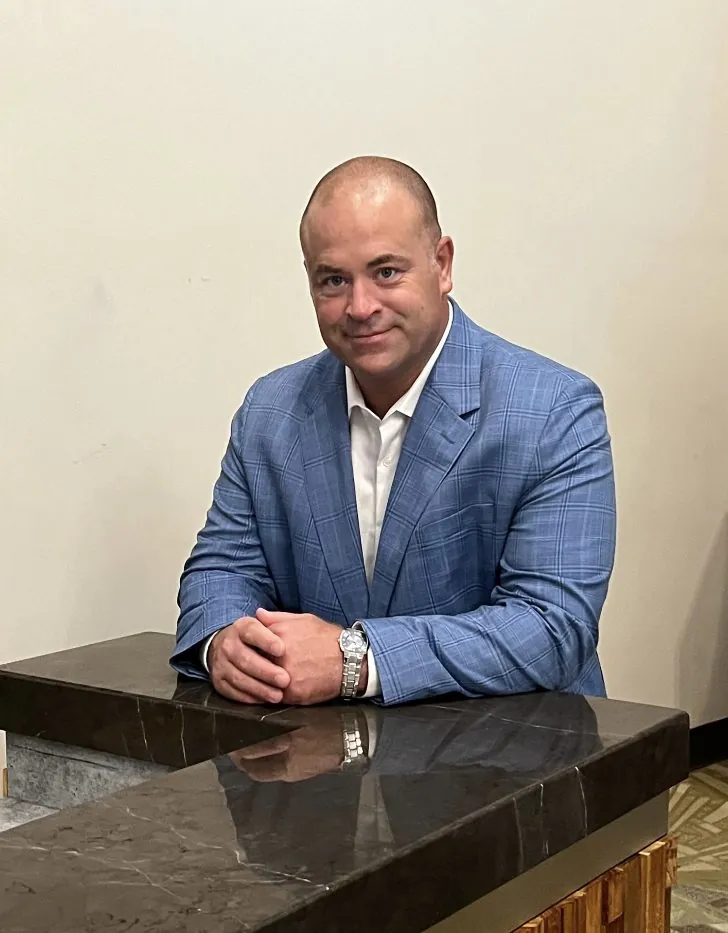
Carson Jones
Carson Jones is the host of Carson's Corner: Commercial Real Estate, author of The Red Flag Playbook, a licensed commercial real estate advisor and business broker, and the founder of Passive Investments. With 18 years of experience as an entrepreneur and 12 years specializing in passive investing, Carson works with high-net-worth individuals, family offices, business owners, and sophisticated investors as a broker and principal.
Carson holds a BBA in Finance from Baylor University and his Tennessee commercial real estate license (#382989). He actively pursues acquisition and equity opportunities across the United States through a nationwide network of qualified buyers, family offices, institutional investors, and top-tier developers.