How do you buy bank-owned commercial real estate in Tennessee?
You buy bank-owned commercial real estate in Tennessee through a negotiated, as-is purchase from the bank, not a courthouse auction. The property has already been through foreclosure, so the bank (which records it as OREO) can convey clean title, allow inspections and let the buyer finance the deal. Buyers who define their criteria, prove their capital and close reliably tend to win these assets.
Key takeaways
- OREO (Other Real Estate Owned) is the bank's accounting term and REO (Real Estate Owned) is the market term; both describe the same foreclosed asset.
- Banks typically move OREO through special assets, valuation by BPO or appraisal, broker engagement, marketing and offer management, then closing with bank counsel.
- Certainty of close often beats a marginally higher but shaky offer, so banks favor buyers with proof of funds and a realistic financing path.
- REO can be financed with conventional bank debt, SBA loans for owner-occupants, bridge debt for repositioning, or private and seller financing, depending on condition and cash flow.
- Foreclosure clears many junior liens but not all; delinquent property taxes, certain government claims and recorded easements can survive and must be verified.
Lender, receiver or special servicer? See who manages a special asset sale and how I run the process.
What Is Bank-Owned Commercial Real Estate?
Bank-owned commercial real estate is property a lending institution has taken title to after a borrower defaulted — typically through foreclosure or a deed-in-lieu of foreclosure. On the bank's financial statements it is recorded as OREO (Other Real Estate Owned); in the marketplace it is commonly called REO (Real Estate Owned) or simply "bank-owned." The two terms describe the same asset.
Unlike a property at a foreclosure auction — which a buyer purchases subject to liens, often sight-unseen and for cash — bank-owned property has already passed through foreclosure. The bank holds clean (or cleanable) title and can sell through a normal, negotiated transaction. That makes REO generally safer and more financeable than auction property, while still pricing at a discount because the seller is motivated to clear the asset.
How Do Banks Dispose of Bank-Owned Commercial Real Estate?
Most institutions follow a recognizable disposition path once a property becomes OREO:
- Assignment to special assets. The loan and now the property move to the bank's special-assets or workout group. (See the Special Assets & OREO guide.)
- Valuation and BPO/appraisal. The bank establishes value and, importantly, the holding-cost clock and regulatory holding period.
- Broker engagement. A commercial REO broker is retained to position, market, and sell the asset.
- Marketing and offer management. National exposure, buyer qualification, and structured offer negotiation.
- Closing. Coordinated diligence and closing with bank counsel and the asset manager.
Banks are motivated sellers, but they are also regulated, deliberate sellers. They must document that they pursued a reasonable, market-based process and obtained fair value — which is exactly why a clean broker process protects the institution as much as it serves the buyer.
How Do Investors Find Bank-Owned Commercial Property in Tennessee?
There is no single tidy public list of every bank-owned commercial property, which is part of why buyers benefit from a broker relationship. Sourcing channels include:
- Commercial listing platforms — LoopNet and CoStar, where many marketed REO assets appear.
- Broker relationships — brokers who hold REO listings and hear about assignments before they're broadly marketed.
- Special-asset and special-servicer contacts — the people inside institutions managing the OREO book.
- Public foreclosure and trustee-sale records — useful upstream, before a property becomes REO. See the Foreclosed Commercial Property guide.
- Auction platforms — for assets banks route through online auction.
The most efficient path for an active buyer is to be on a broker's qualified-buyer list with clear criteria (asset type, size, geography, and capital), so opportunities reach you early.
How to Buy Bank-Owned Commercial Real Estate
Buying REO is a negotiated transaction, but it has its own rhythm:
- Define your buy box. Asset type, market, price range, and business plan.
- Prove your capital. Banks favor buyers who can demonstrate proof of funds and a realistic financing path; certainty of close often beats a marginally higher but shaky offer.
- Underwrite to the business plan. REO is usually a value-add or repositioning play; price to your stabilized exit, not to in-place income that may be zero.
- Submit a clean offer. Expect the bank to counter with an "as-is" sale, limited representations, and its own purchase agreement form.
- Move quickly and credibly through diligence. Speed and reliability are currency with institutional sellers.
Can You Finance a Bank-Owned Commercial Property?
Yes — and this is a key advantage of REO over auction purchases. Because the bank holds marketable title and the sale closes through escrow, buyers can use conventional bank debt, SBA financing (for owner-occupants), bridge debt for repositioning, or private/seller financing where the lender is willing. The condition and cash flow of the specific asset drive what's available; a stabilized industrial REO finances very differently than a vacant, half-renovated retail center. A broker who understands the debt markets can match the asset to a realistic capital stack and keep deals from dying at the financing stage.
What Due Diligence Does Bank-Owned Property Require?
Bank-owned property is typically sold as-is, where-is with limited seller disclosure, because the bank never operated the asset and may know little about it. That puts the diligence burden on the buyer:
- Title and liens — confirm what foreclosure wiped out and what survived (e.g., certain tax liens, assessments, or municipal claims).
- Environmental — Phase I, and Phase II where warranted, especially on industrial, automotive, and fuel sites.
- Zoning and entitlements — confirm current use, allowable uses, and any nonconforming status.
- Physical condition — roof, structure, mechanicals, deferred maintenance, and code/ADA exposure.
- Leases and tenancy — estoppels and rent roll verification if any tenants remain.
Watch the surviving items. Foreclosure clears many junior liens, but not all encumbrances disappear. Delinquent property taxes, certain government claims, and recorded easements can ride along. Verify, don't assume.
Common Mistakes Lenders and Buyers Make with Bank-Owned Property
Lenders most often err by waiting too long to set a disposition strategy, mispricing on stale internal values, and under-marketing to a local-only buyer pool. Buyers most often err by underestimating capital needs for repositioning, skipping environmental diligence, and assuming foreclosure cleared every lien. A capable broker reduces both sets of mistakes — protecting the institution's recovery and the buyer's basis at the same time.
Frequently Asked Questions
What does bank-owned commercial real estate mean?
Bank-owned commercial real estate is property a lender has taken title to after a borrower defaulted, usually via foreclosure or deed-in-lieu. It is recorded as OREO (Other Real Estate Owned) on the bank's books and marketed as REO (Real Estate Owned) or 'bank-owned.' Because the bank already holds title, it can sell through a normal negotiated, financeable transaction.
Is bank-owned (REO) property cheaper than market?
REO often sells at a discount because the lender is a motivated, regulated seller carrying holding costs — but not always far below market. Well-marketed REO assets can sell near or above internal value when exposed to a national buyer pool. The discount reflects condition, vacancy, and as-is sale terms more than a guaranteed bargain.
How do I find bank-owned commercial property for sale in Tennessee?
Sources include LoopNet and CoStar listings, broker relationships, special-asset and special-servicer contacts, public foreclosure/trustee-sale records (upstream of REO), and auction platforms. The most efficient route for an active buyer is to be on a commercial broker's qualified-buyer list with defined criteria so deals reach you early.
Can you get a loan to buy bank-owned commercial real estate?
Yes. Because REO closes through escrow with marketable title, buyers can use conventional bank debt, SBA loans (owner-occupants), bridge financing for repositioning, or private/seller financing. Available financing depends on the asset's condition and cash flow.
Is buying bank-owned property different from buying at a foreclosure auction?
Yes. At a foreclosure or trustee auction you typically buy as-is, for cash, subject to existing liens and often without inspection. Bank-owned (REO) property has already passed through foreclosure, so the bank can convey clean title, allow inspections, and let you finance the purchase — generally lower risk but at a smaller discount.
Need help with a distressed asset or an OREO portfolio? Carson Jones of Passive Investments (eXp Commercial) helps banks, credit unions, special servicers, and SBA lenders dispose of bank-owned and distressed commercial real estate across Tennessee and the Southeast. Email carson@passive.investments for a confidential, no-obligation market analysis.
Frequently Asked Questions about Bank-Owned Commercial Real Estate
These questions cover how banks price and sell foreclosed commercial property, how to make and negotiate offers, and what to check before buying REO in Tennessee.
Where bank-owned property comes from
Which brokers and websites list bank-owned commercial real estate?
Bank-owned commercial property is usually sold through commercial brokers the bank hires, online commercial auction platforms, and major commercial listing sites, with some deals marketed only to a broker's buyer list. In Tennessee, community banks often rely on local commercial brokers who handle REO. Tell those brokers your criteria and proof of funds so you see properties before they reach the open market.
Can you buy foreclosed bank-owned property directly from the bank?
Yes, sometimes. Smaller community banks and credit unions occasionally sell REO directly, especially to known local buyers, but most banks list with a broker to document a fair market process for regulators and auditors. Contact the bank's special assets or OREO officer, ask how they handle dispositions, and be ready with proof of funds and a quick close.
How banks price REO
Why would a bank price a foreclosed property above the remaining loan balance?
Once a bank takes title, the old loan balance no longer sets the price. The bank prices REO from a current appraisal or broker opinion of value, records it at fair value less selling costs, and keeps any sale proceeds above that. If the property is worth more than the debt, the bank is expected to seek market value, not just recover what it lent.
How hard is it to get a bank to sell a property for the loan balance when it is worth more?
Very hard after foreclosure, because the bank owns the property and wants market value. Before foreclosure, a borrower may sell to you at a price that pays off the loan, and any surplus goes to the borrower and junior lienholders, not the bank. Buying the note from the bank at a discount is another path when the loan is in default.
Making an offer and negotiating
What should you offer on a bank-owned retail or office property, and where should negotiation start?
Base your offer on your own valuation: in-place income, realistic lease-up costs, tenant improvements and commissions, deferred maintenance, and a cap rate appropriate for the asset. Many buyers open below asking with clean terms, such as a quick close and limited contingencies, and explain their numbers. Vacant office and retail often warrant deeper discounts than stabilized assets because of leasing risk.
How willing are banks to negotiate prices on REO listings?
Most banks will negotiate, especially on properties held longer or with high carrying costs, but they need a price they can document as reasonable against the appraisal and market exposure. Offers with strong proof of funds, few contingencies, and short closing timelines often win over higher offers with financing risk. Expect as-is sales, limited seller representations, and a bank-drafted purchase agreement.
Should you have comps pulled before making an offer on a bank-owned commercial property?
Yes. Comparable sales and lease comps are the basis for a defensible offer and show the bank why your price is reasonable. Pull recent sales of similar property types in the same submarket, current asking and achieved rents, and vacancy, and weigh income value more heavily for leased assets. A local commercial broker or appraiser can supply comps that public sources miss.
Evaluating an REO deal
What do experienced buyers look for when evaluating a bank REO deal?
Experienced buyers focus on the basis versus replacement cost, the path to stable income, and hidden liabilities. They check title and liens, environmental condition, physical condition, zoning, property taxes owed, tenant leases and estoppels, and code violations, since REO is sold as-is. They also confirm why the property failed, whether it was the market, the location, or the prior owner's operations.
Are REO properties the easiest distressed properties to buy since they already went through a foreclosure sale?
Often, yes. An REO usually has cleaner title because the foreclosure typically wiped out junior liens, buyers can inspect before purchase, and closings follow a normal contract. In Tennessee, deeds of trust usually waive the statutory right of redemption, but confirm it in the foreclosure record. The trade-off is that pricing is closer to market than at auction, and banks sell as-is.
Financing and bank relationships
How hard is it to buy bank-owned commercial property and finance it?
Buying is straightforward with cash or committed financing, but expect as-is terms, bank-drafted contracts, and slower responses as offers go through approval layers. Financing can be harder because vacant or troubled properties may not meet conventional loan standards, so buyers often use bridge loans, SBA loans for owner-users, or seller financing from the bank itself. Ask the selling bank whether it will finance its own REO.
Can an investor partner with local banks or credit unions to buy most of their foreclosed inventory?
Yes, some investors build relationships with community banks and credit unions to buy REO or nonperforming loans directly, sometimes in bulk. Banks value buyers who close reliably, pay fair prices, and reduce their regulatory and carrying burden. Any agreement is typically a series of individually approved purchases or a right of first look rather than a guaranteed allocation. Meet the special assets officer and show a track record.
Costs, timing, risks and next steps
Who can buy bank-owned commercial property, and what do banks require?
Any individual or entity with the capital can buy REO. Banks usually want proof of funds or a lender pre-approval, an earnest money deposit, and acceptance of the bank's own contract or addendum with as-is, where-is terms. Larger offers may need loan or asset committee approval, so a clean, credible offer often beats a slightly higher one.
What does it cost to buy REO in Tennessee beyond the purchase price?
Budget for Tennessee's realty transfer tax of $0.37 per $100 of the price or value, whichever is greater, and, if you finance, the recordation tax of $0.115 per $100 of debt above the first $2,000 (Tenn. Code Ann. § 67-4-409). Add title insurance, survey, a Phase I environmental report, inspections, appraisal and lender fees, plus any delinquent taxes and deferred repairs.
How long does a bank REO purchase take to close?
Getting an offer accepted can take longer than in a private sale because the bank may need internal or committee sign-off. After acceptance, commercial REO deals commonly allow a few weeks for due diligence and then close, often within 30 to 60 days, sooner for cash buyers. Financing, title clean-up or environmental findings can extend that.
What are the risks of buying REO as-is?
The bank never operated the property, so disclosures are limited and the risk shifts to you: deferred maintenance, vacancy, missing records, environmental contamination and liens that survive foreclosure, such as delinquent property taxes. Order a full title search, a survey, inspections and a Phase I environmental site assessment to the ASTM E1527-21 standard before your diligence period ends.
What are the alternatives to buying bank REO?
You can bid at a Tennessee foreclosure auction (faster and cheaper, but usually cash, no inspection and title risk), buy the defaulted note from the lender, or pursue credit union REO and SBA liquidation properties. See the foreclosed commercial property guide for how each route compares.
What is the next step to buy bank-owned commercial property with Carson?
Send Carson your buy box (asset type, market, price range and how you will pay) so he can add you to his qualified-buyer list and bring bank-owned opportunities to you early. Contact Carson to start.
Sources: Tennessee Department of Revenue — Recordation Tax Overview (T.C.A. § 67-4-409) · OCC Comptroller's Handbook — Other Real Estate Owned · U.S. EPA — All Appropriate Inquiries and ASTM E1527-21
Selling or buying commercial property? Let's talk.
Brokerage and equity participation for commercial real estate owners, investors, and family offices — worldwide, through the eXp Commercial platform.
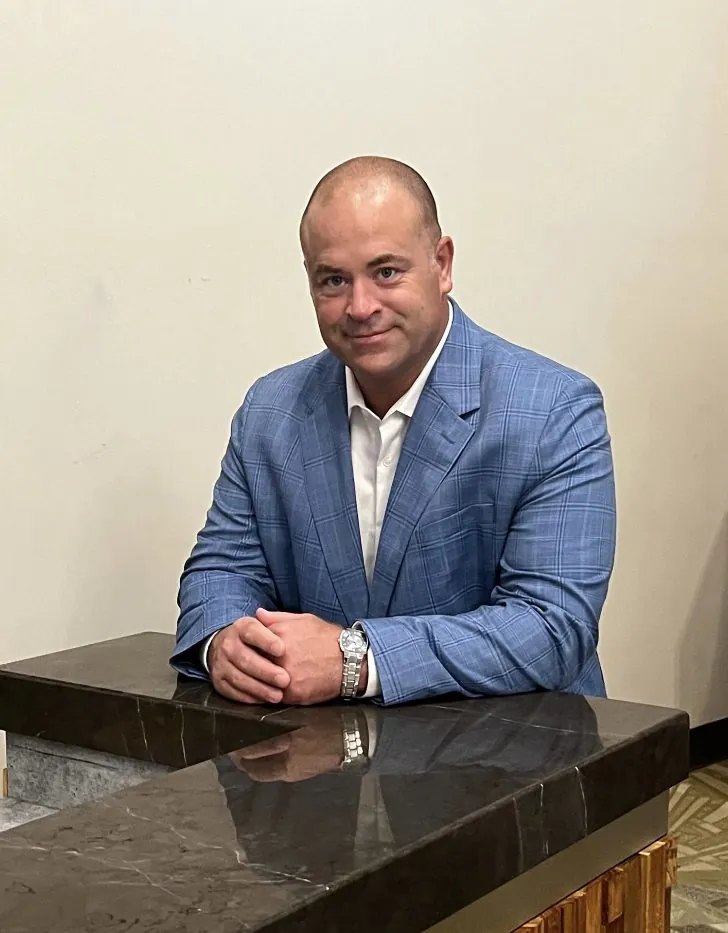
Carson Jones
Carson Jones is the host of Carson's Corner: Commercial Real Estate, author of The Red Flag Playbook, a licensed commercial real estate advisor and business broker, and the founder of Passive Investments. With 18 years of experience as an entrepreneur and 12 years specializing in passive investing, Carson works with high-net-worth individuals, family offices, business owners, and sophisticated investors as a broker and principal.
Carson holds a BBA in Finance from Baylor University and his Tennessee commercial real estate license (#382989). He actively pursues acquisition and equity opportunities across the United States and abroad through a worldwide network of qualified buyers, family offices, institutional investors, and top-tier developers.